

← Back to the libraryYouth and Recruiting
How do you get recruited for college basketball?
Short answer
Get seen, get on a coach’s list early and make the coach’s job easy. A player controls the work: grades, film against strong opponents, short emails to coaches at realistic schools and a summer schedule coaches attend. Division I coaches can start replying on June 15 after sophomore year, so write first.
When can college coaches contact a basketball recruit?
NCAA rules limit what a college may send a recruit and when, not what a recruit may send a college. A player can email a coach, send film or fill out a recruiting questionnaire at any age. The dates below are the earliest the NCAA allows a coach to reach out. They are outer limits, not a schedule.
| Level | Calls, texts and email | In-person contact off campus |
|---|---|---|
| Division I men | June 15 after sophomore year | Opening day of junior year |
| Division I women | Calls June 1, messages June 15, after sophomore year | September 1 of senior year |
| Division II | Materials any time; no limits from June 15 before junior year | June 15 before junior year |
| Division III | No dated limit | After sophomore year |
The Division I dates come from NCAA Bylaw 13.4.1 on recruiting materials and electronic correspondence, Bylaw 13.1.3.1 on calls and Bylaw 13.1.1.1 on off-campus contact. Division II dates come from the 2026-27 NCAA Division II recruiting guide, and the Division III rule is Division III Bylaw 13.1.1.1.
Official visits generally begin August 1 of junior year, and coaches work around dead periods on the recruiting calendar. A written offer of athletic aid cannot arrive in Division I before August 1 of senior year, per a September 2026 reading of the Division I bylaws. A verbal offer before then is a statement of interest, not a commitment. The guide to comparing college basketball offers covers what to read once written offers arrive.
When a coach actually reaches out depends on more than the NCAA calendar. Conferences, individual schools and state high school associations add their own rules on top of the NCAA's, and the national rules leave room for that on purpose. In practice, most coaches wait until they have seen a player in person or on film, so a player who hears nothing on the first permitted day has not been passed over. A question about one specific school belongs with that school's compliance office, because the answer depends on the program and the player.
What do college coaches evaluate in a basketball recruit?
Coaches evaluate whether a player can help them win at their level and stay eligible while doing it. Talent gets a player on the list. Film against strong opponents, academic standing and what high school and club coaches say about work habits decide whether the player stays on it.
- Film. A three- to five-minute highlight reel plus at least one full game. Coaches watch full games to see defense, effort and decisions, not just made shots.
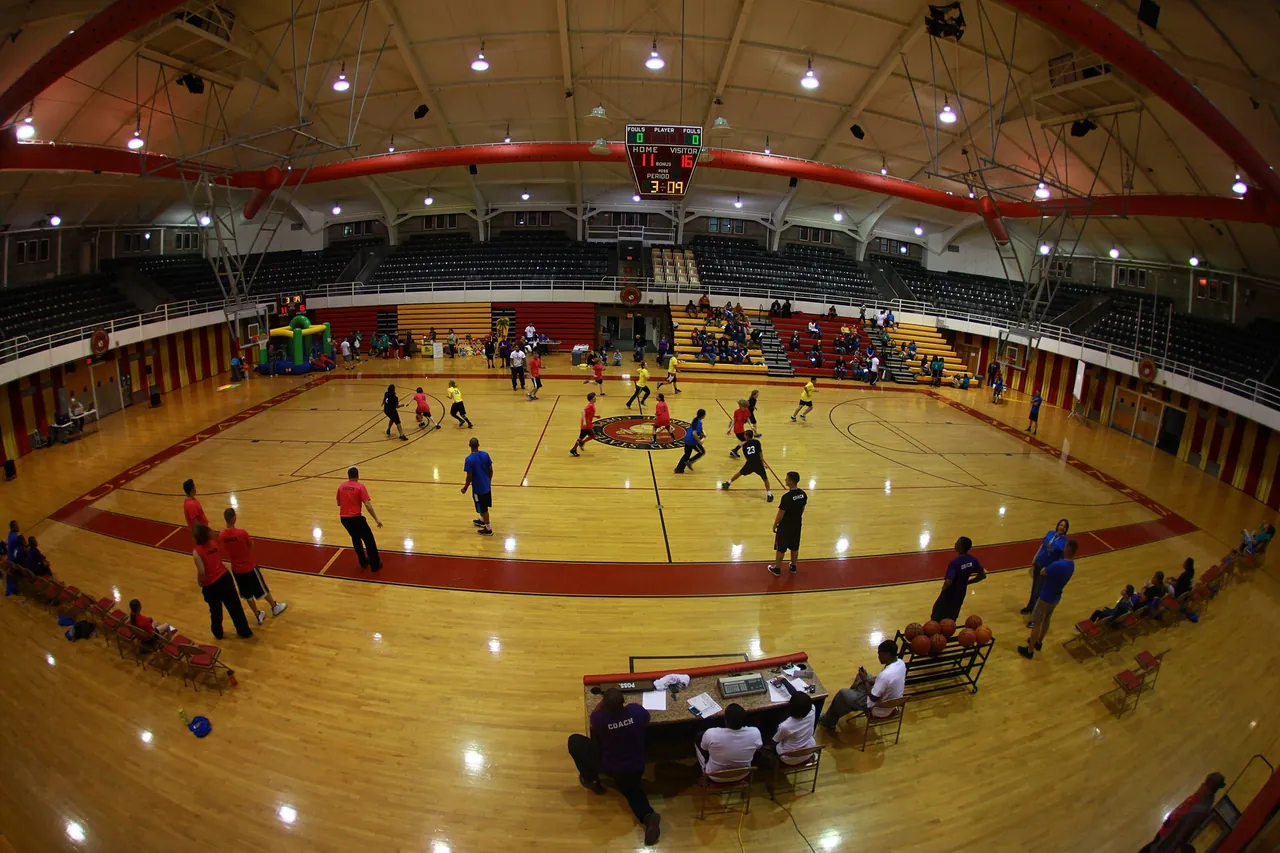
- Level of competition. Statistics against weak schedules count for little. Summer events where college staffs attend, and fall leagues against college-bound players, show where a player stands.
- Academics. Division I requires 16 NCAA-approved core courses, 10 of them finished before senior year, and a 2.3 core-course GPA, per the NCAA Eligibility Center. A player who misses the core-course list removes themselves from consideration.
- References. College staffs call the high school and club coaches. Coachability and how a player treats teammates travel faster than a highlight reel.
That list does not change after college. When a professional team or an overseas club asks about a player years later, agents see it ask for the same things a college coach wanted at 16: full-game film against good opponents and a reference who will speak honestly about work habits.
What can a family control in the recruiting process?
A family controls the list, the outreach and the calendar. The players who hear from coaches first are usually the ones who wrote first, because a coach’s first permitted message goes to names already in the program’s system.
- Build a realistic list. Twenty to thirty schools across Division I, Division II, Division III, NAIA and junior college. Every program is in the college basketball directory, sorted by conference.
- Write short emails. Name, class year, height, position, GPA, a film link, the summer schedule and the high school coach’s contact details. Send them in sophomore year.
- Pick events coaches attend. The breakdown of whether AAU basketball is worth the cost shows that the 16U and 17U summers carry most of the exposure value.
- Register with the Eligibility Center before junior year and check the core-course list with a school counselor every semester.
Families should also watch the eligibility clock. Under the NCAA five-for-five eligibility rule, the years a player spends after high school count, so a reclassification or a gap year changes the math.
From an agent's seat at the far end of the pipeline, the players who reach professional basketball were not always the most talented in their high school class. They were the ones whose families treated recruiting as a schedule of tasks, kept grades eligible and produced film a stranger could judge. Agents also notice that players who take academics seriously tend to perform better on the court. The habits that keep a transcript clean are the same ones that show up in film and in what a coach says about work ethic.
How do Bay Area players get seen by college coaches?
Bay Area players start with an advantage most regions lack: six Division I men’s programs within driving distance, plus four California Interscholastic Federation (CIF) sections with their own postseasons. The guide to Bay Area college basketball and scouting lists the programs and their conferences.
Proximity cuts cost. A Bay Area family can attend camps and unofficial visits at Cal, Stanford, San Francisco, Santa Clara, Saint Mary’s and San Jose State without a flight, and local staffs can watch a player many times in one winter. California community colleges add a second path for players who need another year to develop, covered in how basketball scholarships work after the House settlement.
Agents are not part of this stage. In California, an agent's contact with a student athlete is limited by the California athlete agent law, so a family should be wary of anyone presenting as an agent who is recruiting a high school player.
What mistakes cost recruits the most?
Waiting is the most expensive mistake. Families who wait to be discovered lose the year when coaches build their lists. Paying for exposure without a plan is next: a showcase a player cannot be seen at, or a recruiting service that promises offers, spends money without adding a single name to a coach’s list.
Trusting the wrong adviser comes third. Anyone who asks for money up front, discourages a family from talking to coaches directly or promises a scholarship should be checked. The guide to verifying an agent, an NIL advisor or a recruiting service explains how.
Sources
- NCAA Division I Bylaw 13.4.1, recruiting materials and electronic correspondence (LSDBi)
- NCAA Division I Bylaw 13.1.3.1, telephone calls (LSDBi)
- NCAA Division I Bylaw 13.1.1.1, off-campus contact (LSDBi)
- NCAA: 2026-27 Division II Coaches Off-Campus Recruiting Guide
- NCAA Division III Bylaw 13.1.1.1, contacts and evaluations (LSDBi)
- Oriel Admissions: When can college coaches contact you? (Division I bylaws as read September 2026)
- NCAA Eligibility Center: Division I initial eligibility requirements
Data current as of October 1, 2026. Figures are linked where each one appears. Leagues and regulators update these rules; check the source before relying on a number.
Related questions
How do you get a basketball scholarship after the House settlement?
October 1, 2026
Youth and RecruitingIs AAU worth it, and are pay-to-play exposure tournaments worth the money?
September 27, 2026
Youth and RecruitingWhy does a basketball agent scout close to home in the Bay Area?
October 1, 2026