

← Back to the libraryYouth and Recruiting
Who runs youth basketball in the Bay Area, and which rules apply?
Short answer
No single body runs Bay Area youth basketball. Middle school sports run mainly through school districts and local leagues, high school sports through CIF sections, city recreation departments run their own leagues, and club and AAU teams are private groups with their own membership rules. The rules a family faces depend on which stage and which organization.
Who runs youth basketball in the Bay Area?
Several separate bodies govern different stages, and a team usually answers to only one of them. California law says the California Interscholastic Federation (CIF) is a voluntary organization of school personnel responsible for administering interscholastic athletics in secondary schools, per Education Code 33353, and that each school district board has general control of the interscholastic athletic policies in its district, per Education Code 35179. City recreation departments run community leagues. Club and travel teams are private organizations. In this article's reading, the practical question for a family is which of those bodies a given team answers to.
The AAU is a private membership group. In its codebook, applicants acknowledge that the AAU is not a state actor. A guide to AAU and travel ball covers the cost and exposure side. This article covers governance.
Which CIF sections cover the Bay Area?
The CIF has ten sections, per the CIF state office. Four cover most of the Bay Area: the North Coast Section, the San Francisco Section, the Oakland Section and the Central Coast Section. The Central Coast Section describes its range as San Francisco to King City, per its about page. The CIF Oakland Section and the Oakland Athletic League are administered by a commissioner and publish through the Oakland Unified School District, per OUSD. Each is a CIF section, and each can add rules on top of the state bylaws.
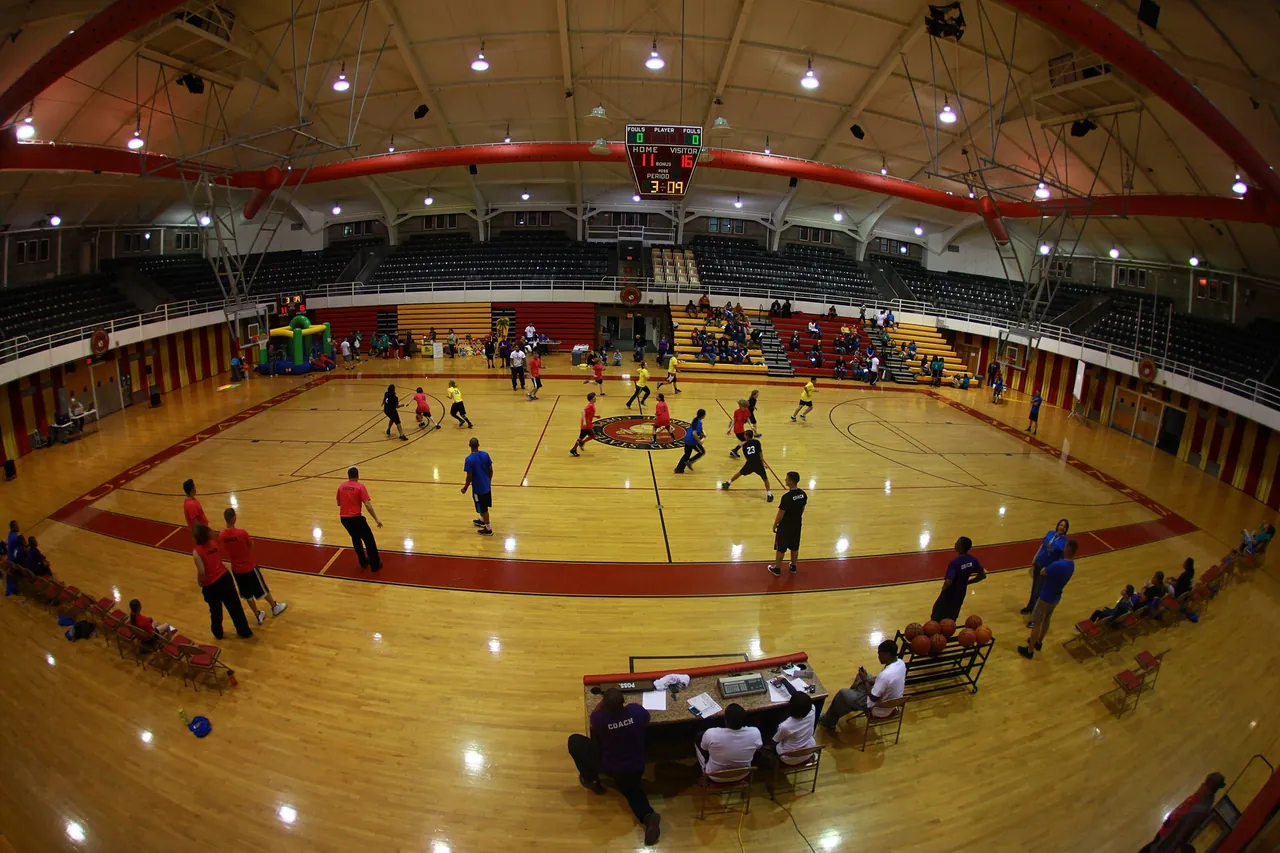
What governs middle school basketball?
School districts and local athletic leagues, not the CIF's state bylaws. CIF Bylaw 503.C says only 9th through 12th grade students may practice with or compete on a high school team, with a narrow exception for ninth graders on the same campus, per the CIF 500 Series. In San Francisco, the CIF San Francisco Section's middle school page lists 21 schools, and its transfer page says middle school students may transfer without prior approval from the SFUSD Academic Athletic Association/CIF San Francisco City Section, with eligibility decided by the school. In Oakland, the commissioner of the CIF Oakland Section and Oakland Athletic League oversees 17 middle schools, per OUSD. This research could not confirm how middle school basketball is governed in the North Coast or Central Coast areas, so check with the district.
CIF Bylaw 201.A.(4)a also limits recruiting of middle schoolers statewide. General program information may reach middle school students only through a CIF member school administrator or athletic director, and under the bylaw's Q&A individual high school coaches cannot visit or initiate contact with them, per the 200 Series. The NCS Constitution reproduces the same language.
What do city recreation leagues do?
They run community programs, usually separate from school eligibility rules. San Francisco Recreation and Park lists girls basketball fundamentals and drop-in sessions for ages 6 to 12 among its programs for girls ages 5 to 14, and describes a city-run AAU-affiliated girls program at the Mission Recreation Center, per its Girls Sports page. For privately organized leagues that use city fields, the department requires that leagues be open to all San Francisco teams, cap nonresident players and guarantee minimum playing time for youth rosters, per its league permit rules. Those are conditions of the department's Approved Public Benefit Status for no-cost field use, not rules for basketball in general. No Oakland or San José citywide youth basketball league page could be confirmed for this article.
What are the main CIF eligibility rules in high school?
| Bylaw | What it says |
|---|---|
| 201 | Full-time enrollment of at least 20 units at the school the student competes for |
| 203 | A student whose 19th birthday falls before June 15 cannot play the following school year |
| 204 | No more than eight consecutive semesters after starting ninth grade |
| 205 | An unweighted 2.0 grade-point average at the end of the previous grading period |
| 504 | No more than four seasons of a sport in four years, and one season of a sport per school year |
All entries come from the CIF 200 Series and the 500 Series. Sections may grant hardship waivers on some of them. A player who also wants college interest should read the recruiting guide, because grades and eligibility affect every later step.
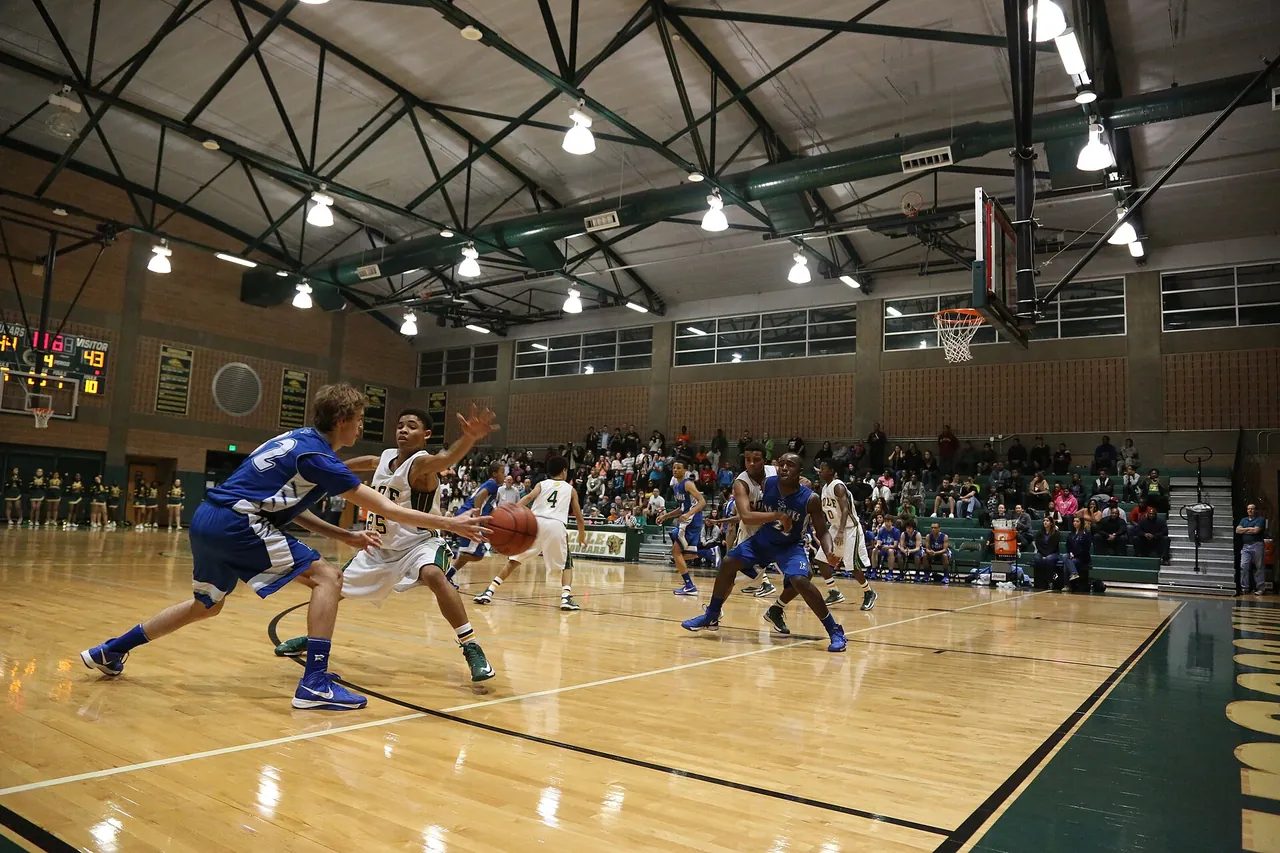
How do transfers work?
Most transfer students are ineligible until the CIF section decides, and the commissioner must decide in writing within 20 business days of receiving the application, per Bylaw 207.B.(1). A student who played the sport at the former school in the prior 12 months is limited to sub-varsity eligibility under Bylaw 207.B.(3)a. A first-time transfer who qualifies can become varsity eligible after sitting out 50 percent of the season, under Bylaw 207.B.(5)b. The Central Coast Section says review should be expected to take about one month and that it has no provision to waive the transfer bylaws at the section level except as the bylaws themselves allow, per its eligibility policy. Families must disclose all pre-enrollment contact with a school, per Bylaws 207 and 510. Bylaw 510 also covers club ties: a transfer within 24 months of playing on a non-school team associated with the new school is prima facie evidence of undue influence, per Bylaw 207.C(4). More on that in the California NIL guide.
Can a high schooler play club ball during the school season?
Not in games. Bylaw 600 makes a student ineligible for competing on an outside team in the same sport during the high school season, and it names youth, community, club and park and recreation teams, plus three-on-three, per the CIF 600 Series. A first offense costs twice the number of contests of outside competition, and a second offense costs a year, per Bylaw 601.A. Per the Q&A under Bylaw 600, a player may attend a non-school practice, camp or clinic as an individual, and per Bylaw 600.E the rule does not apply outside the season, though a school or section may be stricter. Summer limits on school activity vary by section. The North Coast Section says its summer period starts June 1 and that Bylaw 510 applies year-round, per its constitution.
For players weighing the workload, the player development guide covers the USA Basketball and NBA youth guidelines.
What should a family ask before joining a team?
- Which organization sanctions the team, and what are its written rules?
- Does the team play during the high school season, and what does the CIF section say about that?
- Does anyone connected to a high school run the team or recruit through it?
- Does the organization require background checks for its adult coaches?
Agents notice that a club's pitch and a school's eligibility rules are separate conversations. A deal with a club does not change what the CIF section will approve.
Sources
- California Education Code 33353 (CIF) and 35179 (district control), Legislature bulk data
- CIF state office: Sections
- CIF Central Coast Section: About the CCS
- Oakland Unified School District: Oakland Athletic League
- OUSD: Commissioner of CIF Oakland Section
- CIF San Francisco Section: Transfer eligibility
- CIF San Francisco Section: Middle schools
- CIF 200 Series (eligibility)
- CIF 500 Series (athletic rules)
- CIF 600 Series (outside competition)
- CIF North Coast Section 2026-2027 Constitution
- CIF Central Coast Section: Athletic Eligibility Policy 2026-27
- San Francisco Recreation and Park: Girls Sports
- San Francisco Recreation and Park: San Francisco-based leagues
- AAU Codebook (2025)
Data current as of October 17, 2026. Figures are linked where each one appears. Leagues and regulators update these rules; check the source before relying on a number.
Related questions
Is AAU worth it, and are pay-to-play exposure tournaments worth the money?
September 27, 2026
Youth and RecruitingHow can a young player improve their game from middle school through high school?
September 27, 2026
Youth and RecruitingWhat are the California high school NIL rules?
October 17, 2026