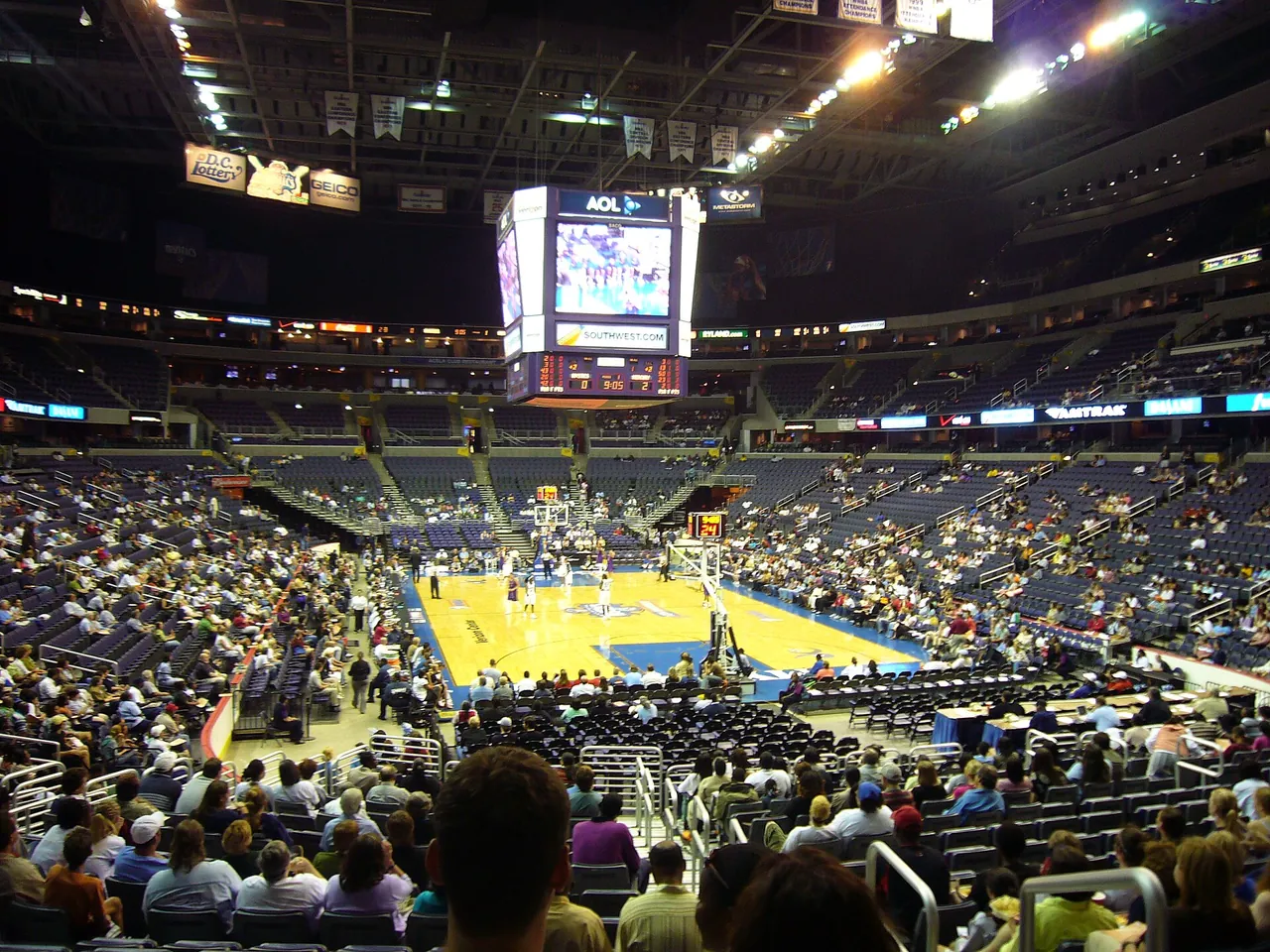


Why does women's basketball need development leagues like the WPBA?
Short answer
Because the WNBA has far more qualified players than roster spots. In 2026 the league carried 217 players across 15 teams, and every year more pro-ready women finish college or get waived than there are open spots. Development leagues like the WPBA keep those players competing, filmed and visible while they chase the next contract.
This is Part 3 of a three-part series. Part 1 explains the Women's Premier Basketball Association, and Part 2 follows its Bay Area Phoenix into FIBA competition.
How many professional roster spots are there?
Very few. In 2026 the WNBA carried 217 rostered players across 15 teams, per WNBA.com. The league is growing, with 18 teams planned by 2030, but expansion adds spots one team at a time. Every spring a new draft class and a pool of veterans compete for the same limited list. For what those spots pay, see WNBA salaries under the new CBA and the 2026 rookie contract.
Where do players go when they miss a roster?
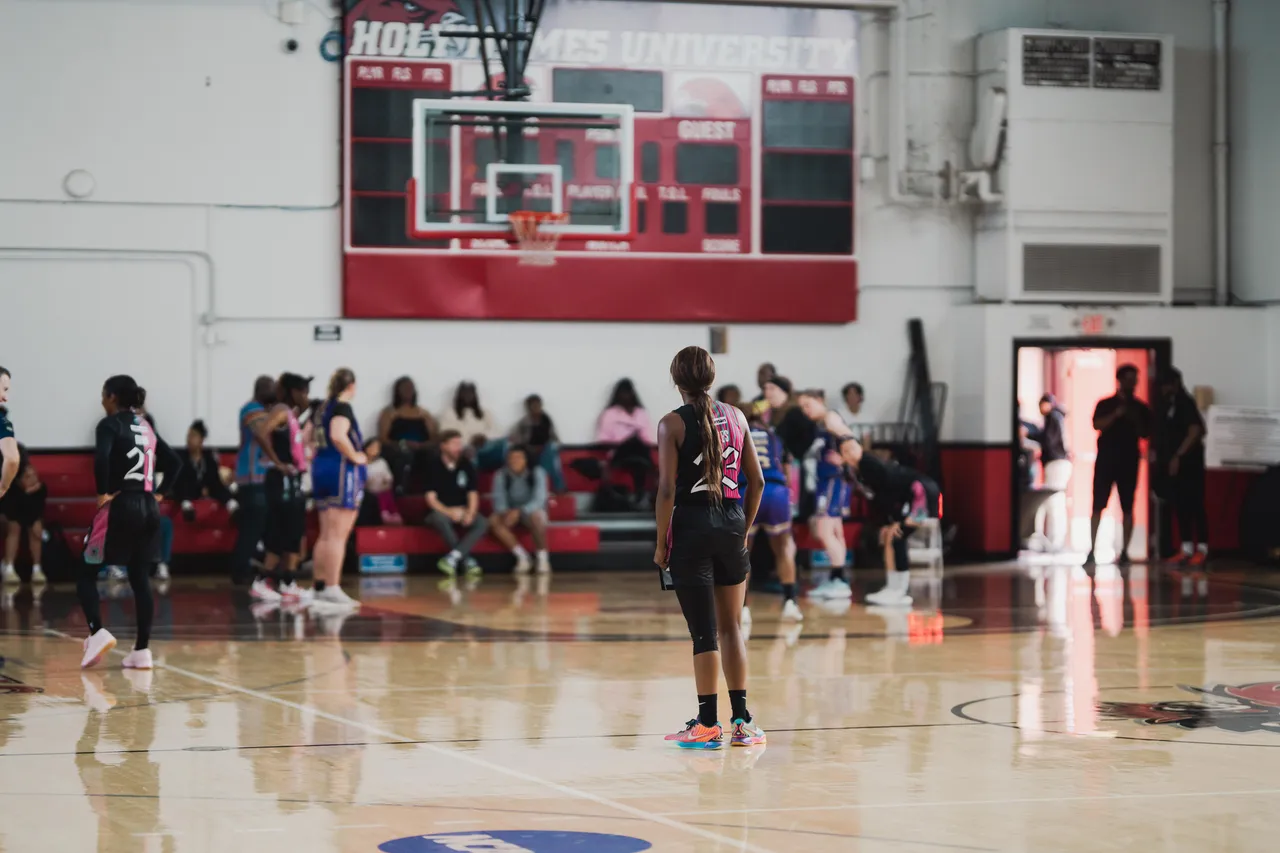
Most go overseas, and many go nowhere at all. A player waived in training camp or passed over in the draft has a short window to stay sharp before clubs abroad sign for the next season. Without games, her film goes stale and her name drops off scouting lists.
That is the gap the WPBA was built for. It serves players waived by the WNBA, college players turning pro and experienced pros between seasons, per the league's 2025 announcement. Men's basketball has long had the G League for this role. Women's basketball has had far fewer options, which is why a league like this carries so much weight. For the overseas path, see how overseas contracts work.
What does a development league give a player?
- Games against professional competition, with coaching and structure, across a 10-week season.
- Official stats and film from a FIBA-sanctioned league, the first thing clubs abroad request.
- Exposure to the WNBA, Athletes Unlimited and leagues worldwide, per the WPBA.
- Career support, including mentoring, education and job placement assistance, per the league's mission page.
The WPBA adds one more: a FIBA stage. Its Bay Area Phoenix finished runner-up at the Women's Basketball League Americas in 2024, and they are competing again this week, as Part 2 covers.
Why did a player build this league herself?
Because she lived the problem. Faatimah A has played on four continents in eight countries, per the San Francisco Chronicle, and she started the WPBA in 2022 during her fifth professional season abroad, per U.S. Sports Camps. Her goal was to help players avoid the obstacles she faced in her own career.
She built it with her own hands. She runs the league's operations, marketing, media, web development and game-day logistics, per U.S. Sports Camps. During the season she has refereed games across the Bay Area on her off days to help cover league expenses, per the Chronicle. And she still plays: she stepped back from her playing career to build the league, then returned to compete at point guard for Team Jamaica, per the WPBA.
Her work earned the 2022 Woman of Courage Award and coverage from FIBA, the Chronicle, KTVU, KRON4 and KQED, per U.S. Sports Camps. Founding a professional league, running it and playing international basketball at the same time is rare in any sport.
What is the WPBA building next?
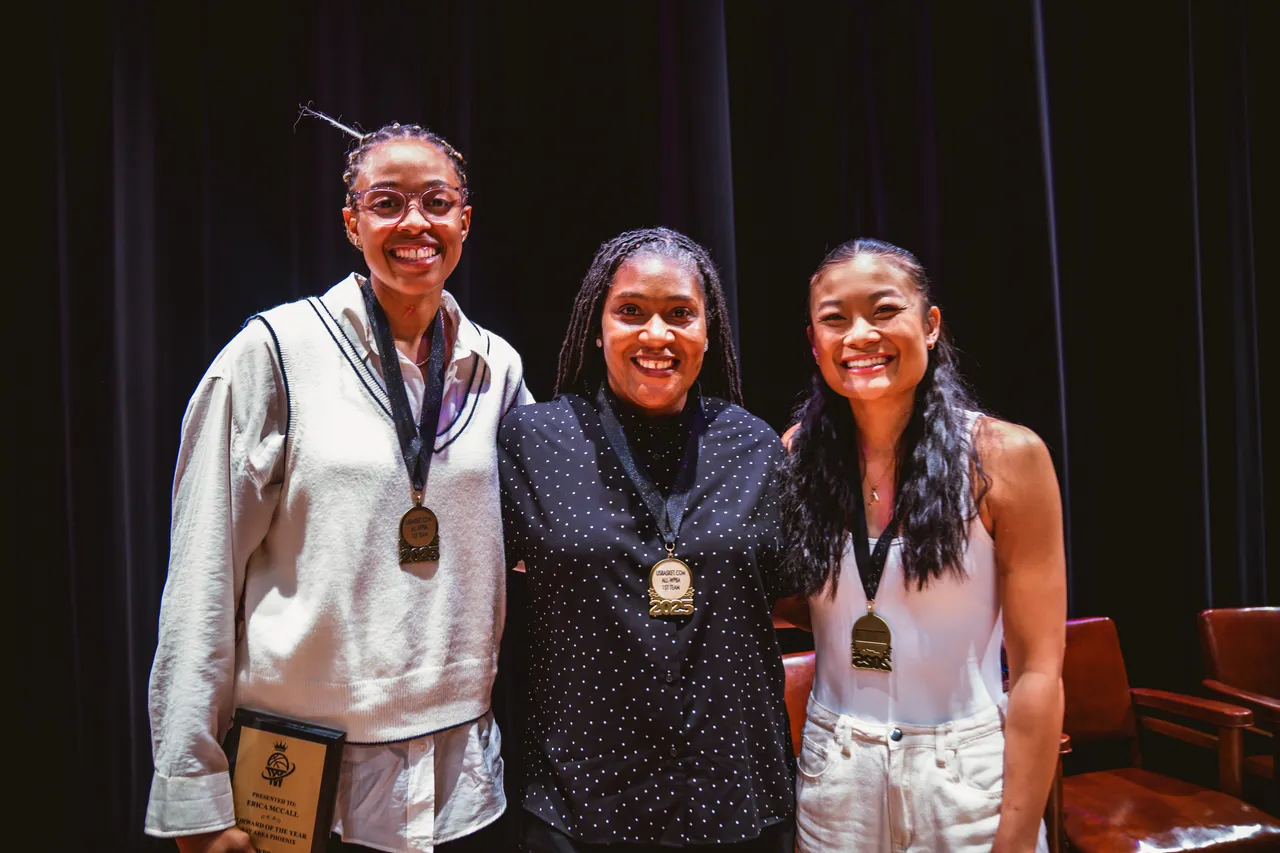
More ways in. The league held its first WPBA Combine during NCAA Final Four weekend and runs open tryouts in Hayward, per the WPBA. It works with a growing network of partners, coaches, scouts and industry leaders, and it has an advisory board that includes Gary Payton Sr., Chasity Melvin, Phil Handy and Kenny Thomas, per the league's 2025 season announcement.
The constraint is funding. A league that sends a club to another continent and runs a full summer season does it on sponsorships, ticket sales and donations. As WNBA expansion adds teams, the players a development league keeps ready become more valuable, and so does the league itself.
How can readers support the WPBA?
- Give through the WPBA donation page.
- Attend summer game days in Oakland and bring friends.
- Follow and share the league on social media, especially during tournament weeks.
- Point unsigned players toward WPBA tryouts.
How does one agent see development leagues?
The author is a certified WNBA player agent and a friend of the league's founder. In representation, the months after a player is waived decide more careers than the draft does. A player who stays in games with film and a coach who can vouch for her keeps her options open. A player who trains alone for a summer often loses them. Development leagues are the difference.
Sources
- WNBA.com: WNBA primer, 2026 FIBA Women's Basketball World Cup
- WPBA: The WPBA, empowering the future of women's professional basketball (2025)
- WPBA: 2026 tryouts announcement
- WPBA: Mission and teams
- San Francisco Chronicle: Why a Bay Area women's basketball league could become a WNBA launchpad
- U.S. Sports Camps: Faatimah A profile
- WPBA: 2025 season launch announcement
- WPBA: Donate
Data current as of September 29, 2026. Figures are linked where each one appears. Leagues and regulators update these rules; check the source before relying on a number.
Related questions