

← Back to the libraryInternational and FIBA
What Is a Disruptive Foul in FIBA Basketball?
Short answer
A disruptive foul is a FIBA foul, new on October 1, 2026, for tactical contact that is not violent enough to be flagrant: stopping a fast break, stopping the clock at the end of a quarter, or contacting a progressing player from behind or the side. It earns free throws and a throw-in and does not count toward disqualification.
A FIBA disruptive foul is a new category of foul in the Official Basketball Rules 2026, which FIBA says took effect on October 1, 2026, per FIBA. It is the first of two fouls that replaced the unsportsmanlike foul, and the FIBA 2026 rules treat it as less serious than the second, the flagrant foul. This guide reads Articles 37, 38, 41 and 42 of the rulebook itself and uses FIBA's summary of rule changes only for the reasoning. For the news angle, see the post on what changed for Americans playing overseas.
The material is information, not legal advice. The league a player signs with decides which rulebook applies, so check the contract and the league's published rules.
What is a disruptive foul?
A disruptive foul is a player's illegal contact with an opponent that does not rise to the level of a flagrant foul, disrupts the flow of the game and places the opponent at a disadvantage, per Article 37.1.1. The disruptive foul exists to punish tactical contact without treating it as violence. FIBA's reason for the change was that the old rule, which disqualified a player after two technical or unsportsmanlike fouls, was overly strict, per its summary. The former unsportsmanlike foul was replaced, and FIBA says the less severe actions became disruptive fouls that do not count toward disqualification, per the same summary.
The rulebook tells referees to interpret disruptive fouls consistently throughout the game and judge only the action, per Article 37.1.2.
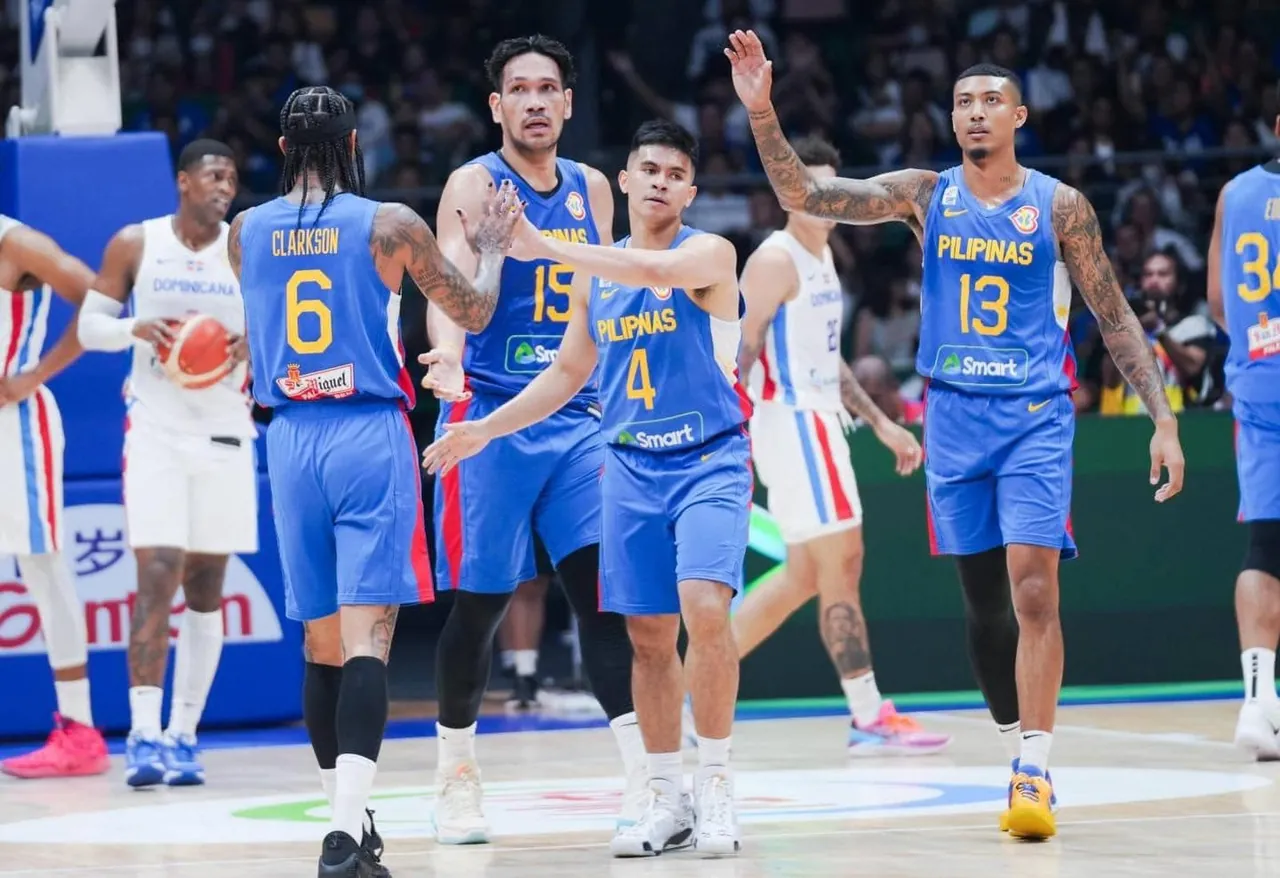
Which three situations does a disruptive foul cover?
Article 37.1.1 lists three, and each applies only until the offensive player starts the act of shooting where the article says so:
- Unnecessary contact by a defender who is not legitimately trying to play the ball, to stop the offensive team's progress in transition.
- Unnecessary contact by a defender anywhere on the court, not legitimately trying to play the ball, to stop the game clock or shot clock at the end of a quarter or overtime.
- Illegal contact from behind or from the side on an opponent who is progressing toward the basket with no opponent between that player and the basket, while the player has the ball, is trying to gain it, or the ball has been released on a pass to that player.
The summary says the final rulebook prevails if the two differ, so this guide states only the rulebook text.
What is the disruptive foul penalty?
The disruptive foul penalty is free throws for the player who was fouled, followed by a throw-in from the throw-in line in the team's frontcourt opposite the scorer's table, per Article 37.2.2. The foul is charged against the offender and counts as one of the team fouls, per Article 37.2.1.
| Situation | Free throws | Then |
|---|---|---|
| Fouled player not in the act of shooting | 2 free throws | Frontcourt throw-in |
| In the act of shooting, goal made | Goal counts, plus 1 free throw | Frontcourt throw-in |
| In the act of shooting, goal missed | 2 or 3 free throws | Frontcourt throw-in |
A team is in the team foul penalty situation after 4 team fouls in a quarter, per Article 42.1.1, and a disruptive foul is one of the fouls that count.
How is a disruptive foul different from a flagrant foul?
A flagrant foul is more serious: contact that violates the spirit of sportsmanship and fair play and exceeds the limits of a personal or disruptive foul, per Article 38.1.1. Its criteria are an act that is not a legitimate basketball play, a reckless, violent or dangerous act, or excessive, hard contact.
| Feature | Disruptive foul | Flagrant foul |
|---|---|---|
| Article | 37 | 38 |
| What it punishes | Tactical contact that disrupts the flow of the game | Violent, dangerous or excessive contact, or a play that is not a legitimate basketball play |
| Free throws | 2; goal plus 1 if made; 2 or 3 if missed | Same |
| Throw-in after | Frontcourt throw-in line | Frontcourt throw-in line |
| Team foul | Yes | Yes |
| Counts toward game disqualification | No | Yes: two flagrants, or one flagrant and one category 1 technical |
Article 38.2.2 also lists, after the free throws, a jump ball in the centre circle at the start of the first quarter, and Article 37.2.2 lists no jump ball. That line is unusual, so the author treats how competitions apply it as a question for the league's referee office.
Does a disruptive foul count toward disqualification?
No. A player is disqualified for the game after two flagrant fouls, two category 1 technical fouls, or one of each, per Article 38.2.3, and Article 41.4 repeats that list without disruptive fouls. FIBA's summary says the same: flagrant fouls count toward disqualification and disruptive fouls do not.
A disruptive foul is still a foul. Article 41.1 requires a player to leave after committing 5 fouls, and Article 37.2.1 charges a disruptive foul against the offender, so the author reads it as counting toward that five-foul limit. The rulebook does not spell out the tally, so a player near five should confirm with the crew chief.
What should Americans playing overseas do about the disruptive foul?
Ask which rulebook the league uses before the first game. FIBA says the 2026 rules took effect worldwide, but it does not say which domestic leagues adopt them, so a club league may publish its own rule changes. The paperwork side of a first overseas deal is in the guide to the FIBA letter of clearance and the guide to overseas basketball contracts. What the letters in the governing body's name mean is in the guide to what FIBA stands for, and the representation side is in the FIBA agent guide.
Agents notice that imports often first learn how a rule change is called in the first real game it matters in, which is why a short rules briefing from the club in week one is worth asking for.
In practice the disruptive foul changes late-game defense most. A defender who grabs a ballhandler to stop the clock now gives up free throws and a throw-in, and does not add to his game-disqualification count.
Sources
- FIBA Official Basketball Rules 2026
- FIBA: Official Basketball Rules 2026 to take effect October 1
- FIBA: Official Basketball Rules 2026 summary of rule changes
Data current as of October 26, 2026. Figures are linked where each one appears. Leagues and regulators update these rules; check the source before relying on a number.
Related questions