

← Back to the libraryYouth and Recruiting
How do you get noticed by college basketball coaches?
Short answer
Get seen and make it easy for a coach to follow up. The NCAA says coaches initiate most recruiting conversations, so the work is to give them a reason to start: film against real opponents, a short email, a high school coach who will vouch for you, and games in evaluation windows when staffs are watching.
Who makes first contact with a college basketball coach?
Usually the coach, but only after the coach knows the player exists. The NCAA says coaches initiate most recruiting conversations, and that parents often lead the process in 9th and 10th grade while students should take over communication by 11th and 12th grade, per the NCAA Eligibility Center. A player who waits to be found depends on being seen by chance. A player who sends the first message gives the coach something to look up.
This article covers that first step. The full process, from the early calendar through signing, is in the recruiting guide, and the dates a coach may reply are listed there.
What does the NCAA recruiting calendar block?
It limits when coaches may meet or watch a player in person, not whether a player can introduce himself. The NCAA defines four periods in its recruiting calendars, in its Division I recruiting calendars (the wording here is from the 2022-23 football calendar):
| Period | What is allowed |
|---|---|
| Contact | Authorized staff may make in-person, off-campus contacts and evaluations |
| Evaluation | Staff may take part in off-campus activities to assess academic qualifications and playing ability |
| Quiet | In-person contact only on the school's campus; no off-campus contact or evaluation |
| Dead | No in-person contact or evaluation anywhere, and no official or unofficial visits to campus |
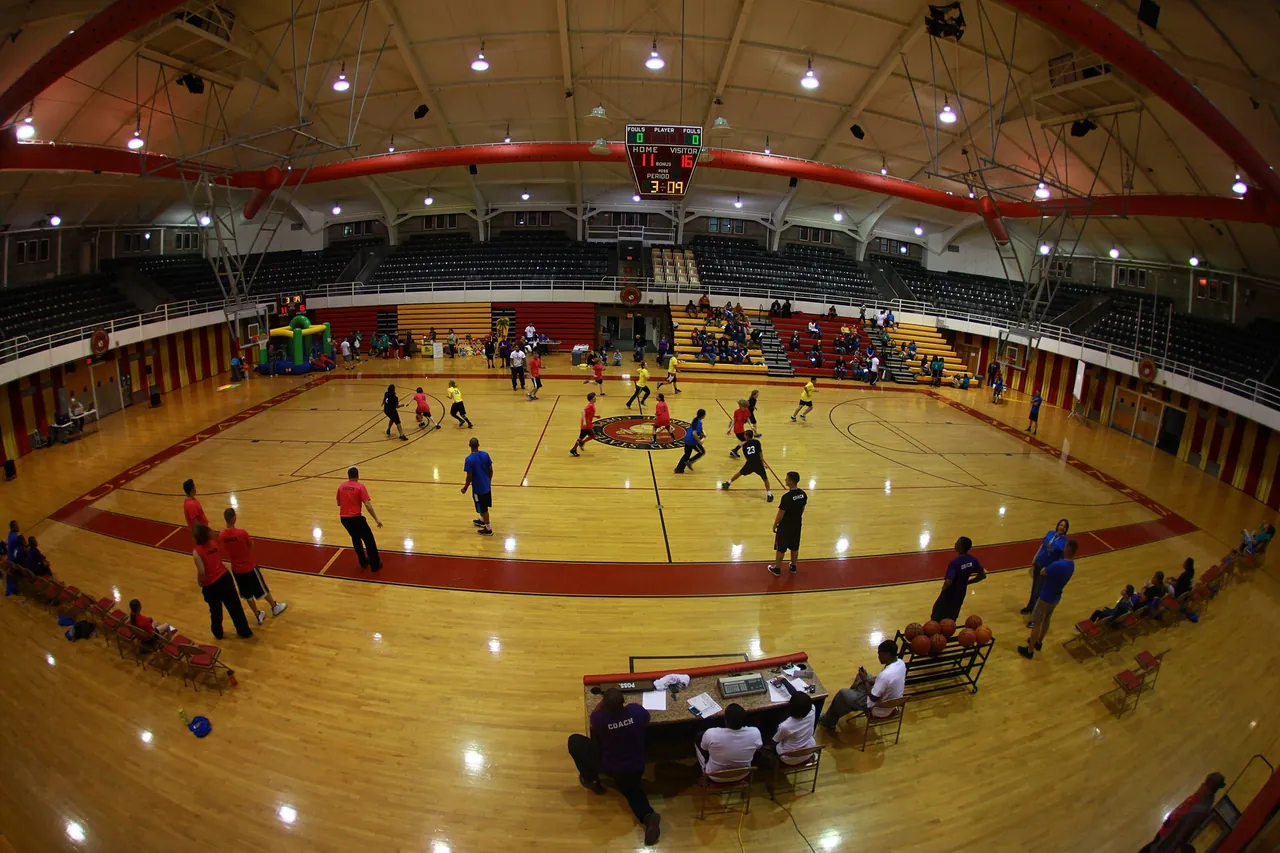
The NCAA says its recruiting rules vary by sport and division, per the Eligibility Center, so each sport's calendar sets the actual dates. For men's basketball, the Division I committee cut the spring nonscholastic evaluation period from two weekends to one in January 2024 and extended dead periods in May and July, per the NCAA. The evaluation windows are short, so the events a player picks matter.
What counts as being recruited?
The NCAA says any of three things may mean a player is being recruited: a coach visiting the high school, a campus visit (especially an expense-paid one) and an offer of athletics aid. Social media messages may also be part of recruiting, per the NCAA, but a message or a camp invitation is not an offer. The same NCAA page notes that coaches can confirm whether a student has registered with the Eligibility Center, and Division I and II recruits generally need an account there.
What should a player send a coach?
A short message that answers the coach's first questions. This is advice on process, not an NCAA rule.
- Who you are. Name, class year, height, position, high school and club team.
- Proof. A link to film that includes at least one full game against strong opposition, not only a highlight reel. The AI recruiting guide explains why full games matter more as programs sort film with software.
- Where you will play next. The dates and events of the next two months, so a staff that is interested knows where to look.
- A reference. The high school or club coach's phone number and email.
Keep it short enough to read on a phone, and end with one clear question, such as whether the staff will be at the next event.
Which events get a player seen?
The ones staffs attend, in the windows when they are allowed to watch. A showcase with no college staff is a good workout and a poor introduction. Before paying to play, ask the organizer which programs attended last year and in which evaluation period the event falls. The AAU guide compares what a season of travel costs with what it delivers.
What role does the high school coach play?
A large one. The NCAA's January 2024 change allows a college coach to contact a prospect at his school during class hours with the principal's permission, per the NCAA. In this article's reading, that puts the high school coach and principal between a player and the visit. A coach who vouches for a player's work habits is a reference a college staff can call.
What do agents see in how players get noticed?
Agents notice that the players who get answers are the ones who send the same short message to a realistic list and follow up with new film, while the ones who send one long message to a single dream school wait the longest. Build a list that spans levels, send a clean message to each and update the film after each major game.
When offers arrive, the offer comparison method covers how to read them.
Sources
- NCAA Eligibility Center: Recruiting
- NCAA: Division I recruiting calendar (definitions of recruiting periods)
- NCAA: DI Men's Basketball Oversight Committee adopts new recruiting calendar
Data current as of October 17, 2026. Figures are linked where each one appears. Leagues and regulators update these rules; check the source before relying on a number.
Related questions