


Why are the Golden State Valkyries the WNBA's most valuable team?
Short answer
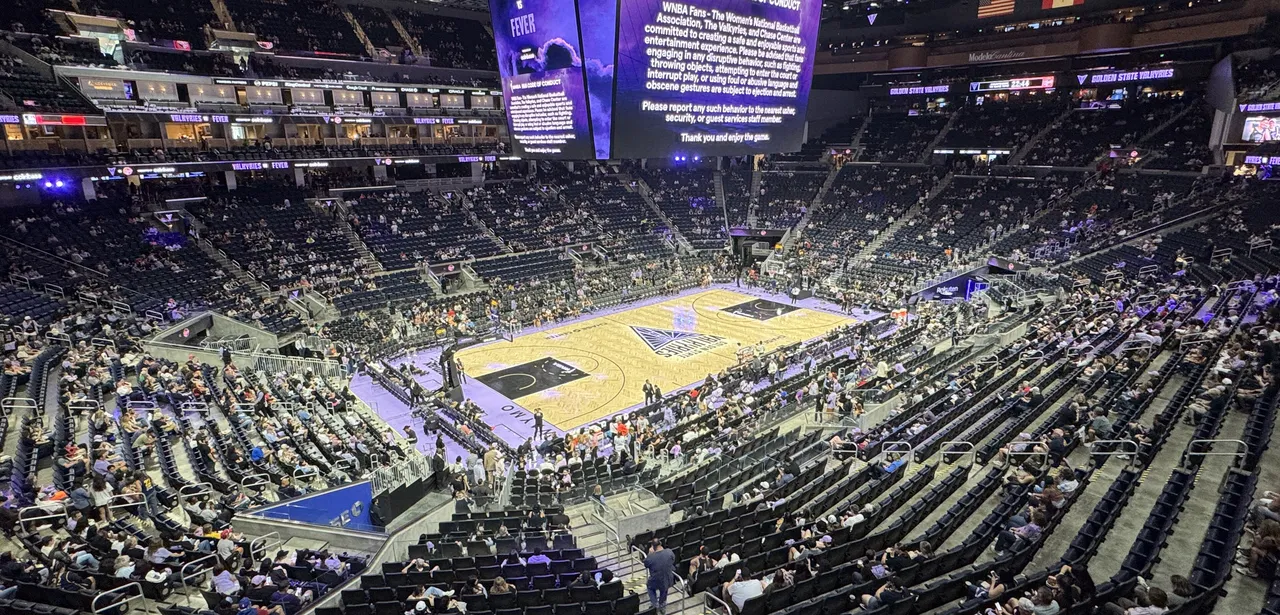
Sportico valued the Golden State Valkyries at $850 million in May 2026, first in the WNBA for the second straight year, after a record $78 million in 2025 revenue. CNBC put them at $1 billion. Sellouts at an 18,064-seat arena, more than 12,000 season ticket holders and an owner who also owns the arena drive the number.
How much are the Valkyries worth?
Between $850 million and $1 billion, depending on who is counting. Sportico's third annual WNBA team valuations put Golden State first at $850 million for the second year in a row, per Just Women’s Sports. CNBC valued the team at $1 billion in May, making it the first women's sports team at that mark, per EssentiallySports.
Sportico's 2026 WNBA valuations, selected teams
Estimates published May 2026. Valuations are estimates, not sale prices.
| Team | Value | Rank |
|---|---|---|
| Golden State Valkyries | $850 million | 1st |
| New York Liberty | $600 million | 2nd |
| Indiana Fever | $560 million | 3rd |
| League average | $427 million | |
| Atlanta Dream | $280 million | Last |
The average team is worth $427 million, up 59% in a year, per the same Sportico summary, and the 13 teams that played in 2025 are worth a combined $5.55 billion. Golden State sits about twice that average.
The climb has been steep for everyone. The average WNBA team was worth $96 million at the start of the 2024 season, per The San Francisco Standard, so the league average has more than quadrupled in about two years. Golden State is the leader of a rising market, not an outlier in a flat one, and its on-court rise is in the post on its Finals run.
How do the Valkyries compare with the rest of the league?
They lead the league in the one number every team can see: fans in the building. Golden State has averaged 18,064 a game in each of its first two seasons, the top mark both years, per EssentiallySports.
| Team | Average per game | Arena note |
|---|---|---|
| Golden State Valkyries | 18,064 | Every game sold out |
| New York Liberty | 16,495 | |
| Indiana Fever | 16,379 | |
| Portland Fire | 14,452 | First season |
| Minnesota Lynx | 12,215 | Largest arena in the league |
The Lynx comparison is the telling one. Minnesota led the league in wins and plays in the largest arena, yet ranked sixth in attendance, per EssentiallySports. Winning alone does not fill seats; demand does. The Valkyries have drawn 794,816 fans to Chase Center since their first game, per the same report.
Where does the Valkyries' revenue come from?
Mostly from seats, and from the fans who commit to them early. The team brought in a record $78 million in its 2025 debut, driven by more than 10,000 season ticket holders and sponsorship deals, per Just Women's Sports. The WNBA generated about $410 million in 2025, with teams averaging $31.5 million each, per the same report. Golden State earned about 2.5 times the average team.
- Attendance: 18,064 per game in both seasons, the league's best, with every regular-season home game sold out, per EssentiallySports.
- Season tickets: more than 12,000 holders for 2026, a sellout with a paid waitlist, per the Valkyries.
- Renewals: above 90% for 2026, per EssentiallySports, citing Sports Business Journal.
- First-year crowds: 397,408 total fans in 2025, a WNBA record, per the Valkyries.
A sellout also sets the floor for sponsorship pricing. From an agent's seat, a team that sells every seat changes the conversation about local marketing deals, because sponsors pay for reach the team can prove.
What did the franchise cost to start?
A $50 million expansion fee in 2023, then a record. Owner Joe Lacob said he could have bought an existing team for $2 million, per The San Francisco Standard, and the New York Liberty had sold for $10 million about four years earlier.
The price of entry has since jumped. Cleveland, Detroit and Philadelphia reportedly paid $250 million each to join in 2028, 2029 and 2030, per Defector. At Sportico's number, the Valkyries are worth 17 times their fee three years later. How new teams fill their rosters is covered in how the WNBA expansion draft works.

Why does owning the arena matter?
Because the team controls its own dates. The Golden State Group owns the Valkyries, the Warriors and Chase Center, per Front Office Sports. When a Doja Cat concert landed on a possible Finals date, the team moved the concert, not the game. Atlanta's version of the same problem is in the post on the Dream’s arena scramble.
Even ownership has limits. In 2025 the Valkyries moved a first-round home game to SAP Center in San Jose, more than 40 miles away, because Chase Center was booked for the Laver Cup before the team had a name, and Oakland Arena was unavailable that night, per the same report. Team president Brandon Schneider said afterward that Valkyries playoff games need to be at Chase Center, just as Warriors games do.
Teams that rent have less control. The Atlanta Dream play most home games in a 3,500-seat arena and book the Hawks' 17,044-seat arena for big games, per Field Level Media. Sportico ranked the Dream last in value. The Valkyries also share a Bay Area market with the Warriors, the market described in why an agent scouts close to home in the Bay Area.
What could hold the value back?
Three things. First, valuations are estimates, not sales: Sportico and CNBC differ by $150 million on the same team. Revenue estimates differ too: CNBC put the team's 2025 revenue at $73 million, per NBC Bay Area, against Sportico's $78 million, per Just Women’s Sports.
Second, the league is still small next to the NBA, at about $410 million in total 2025 revenue, per Just Women's Sports. Third, costs are rising. The 2026 collective bargaining agreement lifted the minimum salary to $270,000 from $66,079, per The San Francisco Standard, and the full pay structure is in how much WNBA players make under the new CBA.
Lacob and team president Jess Smith told The San Francisco Standard they believe $2 billion to $3 billion is within reach. That is an owner's projection, not a market price, and it depends on attendance holding once the novelty fades.
What does a $850 million team mean for players and agents?
More money in the system, and more of it tied to the market a player plays in. Every team received at least $3 million from league media and sponsorship deals in 2025, rising to at least $6 million in 2026, per Just Women's Sports, and that shared money sits on top of what each team earns locally. The new CBA lifted pay across the league, and a team that sells out every night gives its players a bigger local stage for endorsements. Expansion adds roster spots in 2028, 2029 and 2030, which matters to every player near the cut line.
For anyone thinking about representing those players, the certification path is in how to become a WNBA agent.
Sources
- Just Women’s Sports: 2026 WNBA valuations, Valkyries at $850 million
- EssentiallySports: Valkyries sell out every home game in two straight seasons
- Golden State Valkyries: Season tickets sold out with over 12,000 holders
- The San Francisco Standard: Joe Lacob and the billion-dollar Valkyries
- Defector: The WNBA and its expansion fees are getting bigger
- Front Office Sports: Valkyries commit to hosting Finals at Chase despite Doja Cat conflict
- Field Level Media via KSL: Dream unable to use Hawks’ arena for WNBA Finals
- NBC Bay Area: CNBC WNBA franchise valuations 2026
Data current as of October 10, 2026. Figures are linked where each one appears. Leagues and regulators update these rules; check the source before relying on a number.
Related questions