

← Back to the libraryInternational and FIBA
Extra Addition
How does a new FIBA agent find overseas clients and clubs?
Short answer
A newly licensed agent finds overseas clients through players they already know, players coming off college or pro rosters, and partnerships with licensed agents, never by approaching players under 18 or at camps and games, which FIBA bars. Clubs come through the same meetings: summer leagues, FIBA events and every deal closed cleanly.
This Extra Addition builds on the four-part series on becoming a basketball agent: the NBA guide covers NBPA certification, the WNBA guide covers the WNBPA, the NCAA guide covers men's college draft representation, and the FIBA guide covers the international license. That last guide explains how to get licensed. This one covers the work that starts the day the license arrives.
What does the FIBA agent test cover, and how do you prepare?
The test is 45 minutes of multiple-choice questions on FIBA's Internal Regulations, taken in person, in English and without notes, and the pass mark is usually 60%, per FIBA. FIBA names the core areas as the code of conduct and sanctions in Book 1, and eligibility, national status, international transfers and the Basketball Arbitral Tribunal in Book 3, though questions are not limited to those topics.
FIBA publishes no study guide or sample questions, so the regulations are the study material. Read Book 3 twice, then the agent chapter a third time. MM3 Sports sells no exam prep. Pass rates in 2026 have been high for candidates who do that work: 42 of 46 qualified at FIBA's headquarters in Mies, per FIBA, and 92% passed in Miami, where a record 75 people registered, per FIBA.
How do you find clients as a FIBA agent?
Within limits FIBA writes into the license. Under article 3-323 of the Internal Regulations, a licensed agent may never approach players under 18, may never approach players during camps or competitions, and may never approach a player under contract with a club to persuade the player to break it. Those rules close the most obvious recruiting channels, so first clients usually come from three places:
- Players the agent already knows from college, club or high school basketball, once they are adults and out of season.
- Players between deals. College seniors finishing eligibility, players cut from a G League or WNBA training camp, and players whose overseas contracts have ended.
- Referrals from established agents who pass along players outside their focus. FIBA must publish a list of every licensed agent under article 3-318, and its roster runs to about 800, per FIBA, so the people to call are public.
From an agent's seat, the first overseas clients almost always come from relationships that existed before the license, not from cold outreach. A player still in college is also a student athlete under state law, so recruiting one triggers state athlete agent registration, covered in California athlete agent law. The WNBA side of the same problem is covered in how a new WNBA agent finds clients.
How do agents build relationships with overseas clubs?
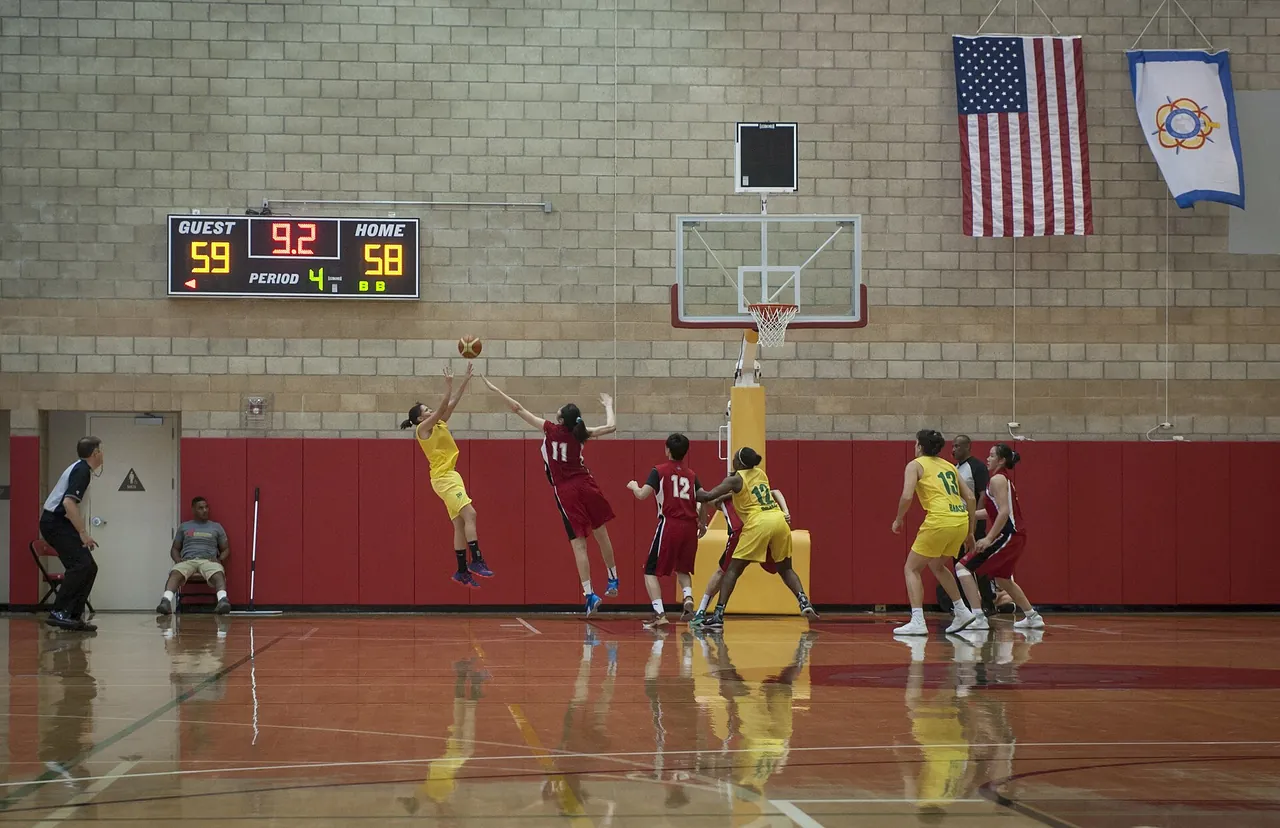
By meeting the people who sign players and then delivering what was promised. Clubs travel to find talent: Australia's Tasmania JackJumpers described their NBA Summer League trip as a chance "to grow relationships and meet agents and players face to face," per the club. FIBA's own test sessions also gave candidates a chance to build professional networks, per FIBA's report on the Miami session.
A licensed agent may also represent a club, under article 3-322, but never more than one side in the same transaction (article 3-304), and never advise a club where one of the agent's own players is registered. A new agent who wants to work both sides of the market has to keep those files strictly apart.
Can a new agent work with an established agent and split the fee?
FIBA's regulations do not address sub-agents or fee splits directly, so any arrangement has to fit the rules that do apply. Every agent involved in a transfer must be named to the federation (article 3-302), any agent representing the player must hold a FIBA license or the letter of clearance can be refused (article 3-67), and an agent may not use a third party to get around FIBA's restrictions (article 3-304). The 10% cap in article 3-327 limits remuneration in total, so two agents on one deal share one 10%, not two.
In practice, a co-agent arrangement with a licensed agent in the player's target country works when both are licensed, both are disclosed, and the split is written down before the player signs anything. An agent can also work through a company, but the licensed individual stays responsible to FIBA (article 3-309).
What should the contract protect, and how does the agent get paid?
FIBA's own checklist in Appendix 2 of Book 3 asks the questions that decide most overseas disputes: payment dates, bank accounts, whether salary is stated including or excluding tax, and the player's right to leave early if the club stops paying. A federation player contract template from Kosovo shows what strong terms look like: a fully guaranteed, no-cut agreement, salary stated net of local income tax, a furnished apartment, round-trip flights, visa costs paid by the club, and the player's right to stop performing if a payment is late, per the Basketball Federation of Kosovo.
- Who pays the agent. Article 3-304 bars an agent from accepting payment from anyone other than the client. FIBA delayed enforcing the stricter version that removed club payments on a player's behalf, per a 2025 FIBA notice published by the Portuguese federation, so confirm the current position with FIBA. FIBA's model agent contract bases the fee on net salary and recommends instalments the player can pay from each paycheck.
- The BAT clause. The Basketball Arbitral Tribunal hears a case only when the parties agreed to it in writing, per the BAT Rules 2026. FIBA recommends the clause but does not require it (article 3-335), so the agent has to ask for it. Handling fees run from EUR 1,000 on claims up to EUR 25,000 to EUR 8,000 above EUR 500,000.
- Timeline and teeth. Most BAT cases are resolved in four to eight months, per the BAT FAQ, and an unpaid award can bring fines, transfer bans or registration bans. The tribunal received 178 requests in 2025, per BAT statistics. Only licensed agents can ask FIBA to enforce an award (article 3-322).
What about work permits, visas and taxes?
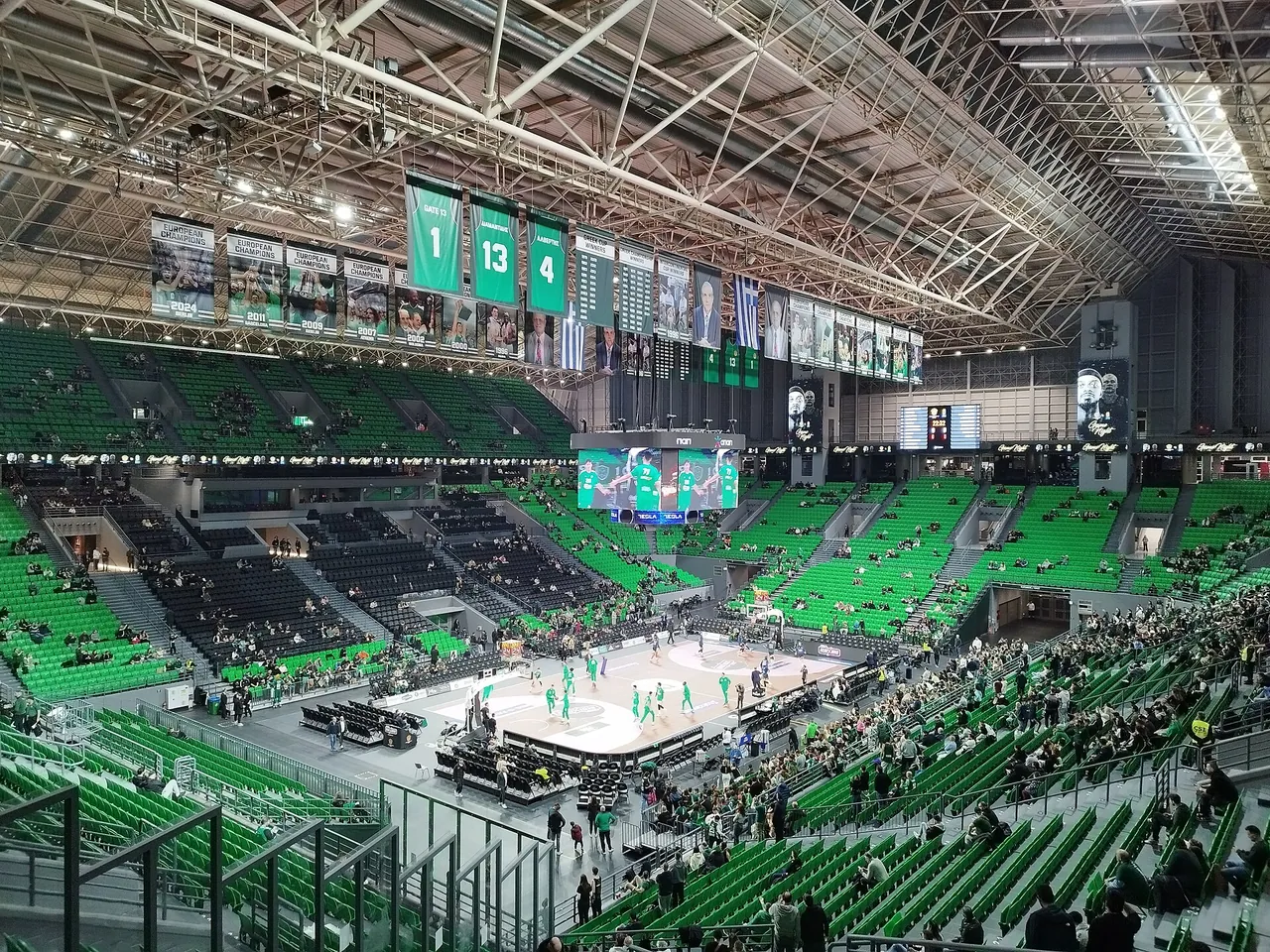
Every country sets its own work permit rules, and leagues set their own import limits, so the agent checks both before promising a player a market. In England, for example, a non-UK player needs a governing body endorsement, and Basketball England's 2025-26 criteria include a route for U.S. and Canadian college graduates based on playing time in their final two seasons, per Basketball England. On FIBA's side, the federation must issue a foreign player license for any foreign player in a first or second division (article 3-103).
Taxes follow the player home. U.S. citizens owe U.S. tax on worldwide income wherever they live, per the IRS, and the foreign earned income exclusion is $132,900 for 2026, per the IRS. The full tax picture, including net contracts and foreign tax credits, is in how overseas basketball contracts work.
How does the letter of clearance fit into the agent's work?
It is the last step before the player can play, and the agent's name is on it. The request must list the agent's name and FIBA license number (article 3-72), and an unlicensed agent is a ground for refusal. The agent who sends the passport scan, proof the old contract has ended and the license number on the day the contract is signed removes most of the delay, as explained in how the FIBA letter of clearance works. For U.S. clubs in FIBA competition, see the Bay Area Phoenix in the WBL Americas. A club on FIBA's sanctions list cannot register a new import at all, as covered in what a FIBA transfer ban is.
The next step for a licensed agent is simple: build a one-page file for each player, with passport, contract history, film and references, before calling a single club.
Sources
- FIBA: Become a FIBA agent (test rules effective January 1, 2026)
- FIBA Internal Regulations, Book 3: Players and Officials (in force April 22, 2026)
- FIBA: Newly qualified FIBA agents fly high at the Patrick Baumann House of Basketball
- FIBA: Record participation in FIBA agent test in the Americas
- Tasmania JackJumpers: Crucial connections at NBA Summer League
- Basketball Federation of Kosovo: Club and player agreement template
- Portuguese Basketball Federation: FIBA update on payments to agents (July 2025)
- Basketball Arbitral Tribunal: Arbitration Rules 2026
- FIBA: BAT frequently asked questions
- FIBA: BAT statistics
- Basketball England: Governing body endorsement criteria 2025-26
- IRS: Reporting foreign income and filing a tax return when living abroad
- IRS: Foreign earned income exclusion
Data current as of October 16, 2026. Figures are linked where each one appears. Leagues and regulators update these rules; check the source before relying on a number.
Related questions