

← Back to the libraryYouth and Recruiting
How should a California high school athlete check a NIL deal before signing?
Short answer
A California minor can usually disaffirm a contract, but a court-approved contract of a kind listed in Family Code 6750 cannot be cancelled for minority and carries a 15 percent earnings set-aside. CIF Bylaw 212.C bars school names, uniforms and facilities from the deal. Net self-employment earnings of $400 or more are taxable. Keep every document for college reporting.
This is Part 1 of a two-part series on California high school NIL. Part 2 covers who is allowed to represent a high school player under California's agent law. This part is about the deal itself. The bylaws behind it are in the California high school NIL rules guide, and this article does not repeat them.
Can a California minor back out of a NIL contract?
Usually, except where a statute says otherwise. A minor may disaffirm a contract "before majority or within a reasonable time afterwards," unless a statute says otherwise, per Family Code 6710. A brand can therefore be wary of an unapproved deal with a minor, and a family should expect to be asked about court approval.
Court approval changes that, and the glossary defines disaffirm. A contract of a type described in section 6750 cannot be disaffirmed on the ground of minority once a superior court approves it, per Family Code 6751. Section 6750 reaches a contract under which a minor agrees to render services as a participant or player in a sport, per Family Code 6750. Whether a particular brand deal fits depends on its terms, so ask a California attorney before relying on either right.
What does the 15 percent set-aside rule do?
When a court approves a covered contract, its order must require an earnings set-aside: 15 percent of the minor's gross earnings, held in a trust for the minor, per Family Code 6752. The money goes into a bank account or other savings plan. A parent or legal guardian with physical custody usually serves as trustee unless the court appoints someone else, and if the required paperwork is not provided, funds may go to The Actors' Fund of America as trustee.
The section does not apply to employers of extras, background performers or similar workers.
The rule applies to contracts of the type described in section 6750, so a family should ask whether a given deal triggers it before the first payment arrives, not after.
What must stay out of the deal under CIF rules?
The school: its name, uniform, insignia, facilities and mascot. CIF Bylaw 212.C allows endorsements "provided there is no school team or school affiliation," as quoted in the January 2026 order in Calhoun v. CIF. The CIF's Q&A says a member school, or anyone associated with it, may not offer or take part in individual endorsement opportunities for its athletes, per the CIF advisory.
These bylaws apply to every member school. In the West Alameda County Conference, the member list includes Berkeley High, Castro Valley, Hayward High, Encinal and Bishop O'Dowd, per the conference site.
In the Tri-County Athletic League, public Richmond High and El Cerrito sit with private Salesian College Prep and St. Mary's College High, per the league's school list. A player at any of these schools gets the same answer on school-arranged deals: do not take them, and ask the athletic director before signing anything that mentions the school.
Which terms should a family read before signing?
- Who the parties are, and who signs for the minor.
- How much is paid, when, and to whom, including any set-aside under section 6752.
- How long the deal runs and whether it renews on its own.
- Whether the player is barred from working with competing brands.
- What the brand may do with the player's name, photo and video, and for how long after the deal ends.
- Required posts or appearances, and whether they fall in school hours or practice time.
- How either side can end the deal early.
- Whether anything in the deal names, pictures or points to a school.
If a term is unclear, ask for it in writing before the player signs. A deal that is clear on these points is easier to defend later, to the CIF and to a college.
How is high school NIL income taxed?
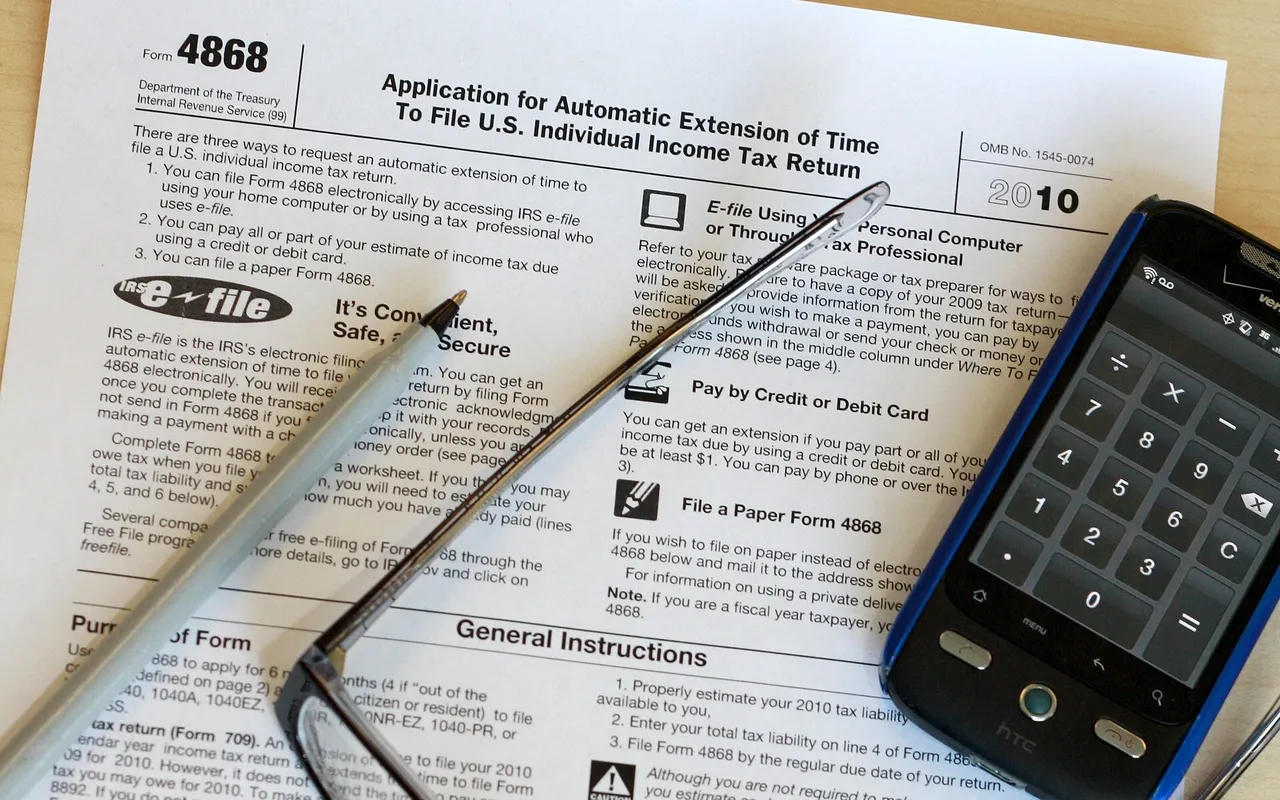
Often as self-employment income. A person must pay self-employment tax when net earnings from self-employment reach $400, and Schedule SE is filed at that level, per the IRS instructions for Schedule SE. Whether a given deal counts as self-employment, and how a minor's return is handled, is a question for a tax professional.
The NIL taxes guide for college athletes covers estimated payments, deductions and record keeping, which apply to a high school player too. Pay for a tax professional's time before the first deal closes, not after the first tax bill.
What should a family keep for college?
Every contract, payment record and message. A Division I recruit must report third-party NIL deals of $600 or more. The rule covers deals agreed to, executed or paid after July 1, 2025 or the first day of junior year of high school, whichever is later. The report is due within 14 days of enrolling or before the first Division I game, whichever comes first, per the College Sports Commission rules. The review process is explained in the NIL Go guide.
Agents notice that families usually keep the final contract and lose the early messages, which are the ones a reviewer asks about when a deal looks like pay for play. Save both.
What should a family do first?
- Ask the brand whether it expects court approval, and ask a California attorney whether section 6750 applies.
- Read the eight terms above and get answers in writing.
- Confirm with the athletic director that nothing in the deal touches the school.
- Open a separate account for the player's earnings and ask about the set-aside.
- Read Part 2 before hiring anyone to negotiate.
Sources
- California Family Code 6710 (minor may disaffirm contract)
- California Family Code 6750 (minors' contracts in sports)
- California Family Code 6751 (court approval of minor's contract)
- California Family Code 6752 (15 percent set-aside)
- Calhoun v. CIF, order of January 2026 (Courthouse News copy)
- CIF advisory: Bylaw 212.C(3)-(4) Q&A (hosted by Carondelet High School)
- West Alameda County Conference: member schools
- Tri-County Athletic League: member schools
- IRS: Instructions for Schedule SE (Form 1040)
- College Sports Commission: Rules resulting from the House settlement
Data current as of October 24, 2026. Figures are linked where each one appears. Leagues and regulators update these rules; check the source before relying on a number.
Related questions