

How do FIBA's AI video and tracking standards close the film and data gap?
Short answer
FIBA now runs an approval program for AI video systems and player trackers, so clubs and federations can compare products on tested results instead of sales claims. No camera system has been approved through the new video test yet, and FIBA's published pages do not set rules on who owns player data. That gap is the work for agents.
Why is film and data still a bottleneck for smaller teams?
Good film used to need a production truck. Good tracking data needed a league deal. A federation without a broadcast budget could not stream or analyze its own games, a coach without a video staff watched games twice by hand, and a player wearing a sensor often could not say who held the numbers afterward. The gap is about money first and rights second.
FIBA is trying to close the money part with standards. Its Equipment and Venue Centre runs an approval program in which providers are tested the same way, and clubs, leagues and national federations can use the reports to buy. This guide explains the two tracks, video and tracking, what is approved today, and what the rules still leave open for players and agents.
What are FIBA Automated Video Solutions, and what is approved?
An Automated Video Solution, or AVS, is a camera and software system that captures, produces and analyzes basketball footage with little manual work. FIBA lists uses that include live streaming, content production, coaching and tactical analysis, player development and officiating workflows, per FIBA.
AVS is a new category in the FIBA Approval Program. Systems are assessed by FIBA Accredited Test Institutes in game-like conditions on ball tracking, court coverage, camera movement, image stitching, video latency, scoreboard detection and uptime. The first test event is scheduled for December 14 to 16 at the Colovray Sports Complex in Nyon, Switzerland, with a registration deadline of November 1, 2026, and FIBA says no system has been approved through it yet. A planned earlier test in Doha was cancelled because of developments in the region, per FIBA.
How a video system earns FIBA approval
The path described for Automated Video Solutions
- Step 1Provider registers interestContact goes to the FIBA Equipment and Venue Centre.
- Step 2Test in game-like conditionsAccredited institutes score ball tracking, coverage, camera movement, stitching, latency, scoreboard detection and uptime.
- Step 3Report with benchmarksParticipants get objective results, and buyers get an independent reference.
- Step 4FIBA Approved statusSuccessful systems can become approved. None has yet through the new video test.
Source: FIBA, linked in the text.
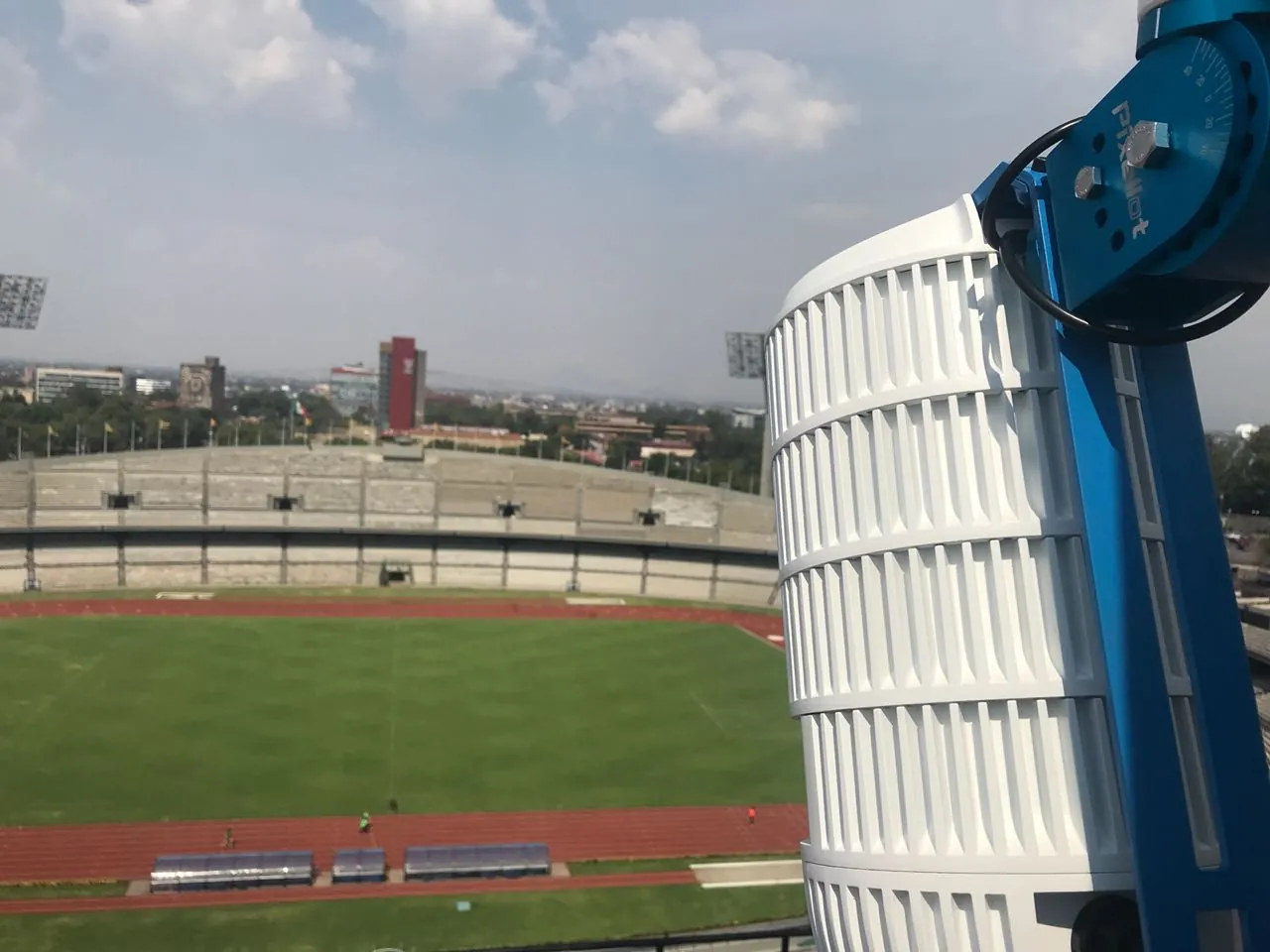
One older approval exists in a related lane. In July 2024, Pixellot said its Prime, Show S3 and Air NXT products received software approval from FIBA's Equipment and Venue Centre, described as the first automated video products to get that software approval, per Sports Video Group. The company's reach claims, such as 400,000 live games a year, are its own and are not independently verified. In short, some products carry an earlier software approval, and the new hardware-and-software test is still ahead.
What is FIBA approved player tracking?
Tracking captures player and ball movement through wearables or camera-based optical systems, and the metrics include positioning, speed, movement intensity, jumping and overall physical load, per FIBA. The tracking program held its first test event in Leiria, Portugal in 2025, where five systems from four companies were assessed, and a second event in Salt Lake City on June 3 to 5, 2026. FIBA said it would confirm the successful solutions after review, and the published page does not name them.
FIBA described the Women's World Cup in Berlin in September 2026 as the first major FIBA event to feature tracking. Under Book 2, Article 86 of FIBA's regulations, approved wearables may be used in FIBA competitions if they are worn safely in the specified mounting position, per FIBA. At the Equipment and Venue Centre summit in Berlin, 137 partner representatives were shown optical and wearable systems, per FIBA.
Camera-based or wearable tracking
Two ways to capture movement under the FIBA program
Optical systems
- Cameras read player and ball position
- Nothing worn on the body
- Can double as a video source for tagging
Wearables
- A device worn in the specified mounting position
- Adds load, jump and movement intensity data
- Personal data, so ownership terms matter most
FIBA lists both under tracking, per its tracking page.
The long-term partner on the data side is Genius Sports, which FIBA named its official data and video capture and production partner for 2025 to 2035, including an automated tracking tool offered to leagues and federations for the first time, per SVG Europe.
Who owns the biometric data?
The published FIBA and Genius Sports pages the author reviewed do not state who owns tracking data or how it can be used. FIBA says approval supports confidence that systems were independently assessed for accuracy and, where relevant, player safety. That is a statement about accuracy and safety. It is not a data rights rule, and a collective bargaining agreement or a player contract is where those rights would have to be written down.
Players and agents should not assume the answer. Ask who owns the raw data, who can sell it or share it with a betting or media partner, how long it is kept, and whether you can see and delete your own records. Those four questions go in every offer that mentions a sensor, a camera system or a performance program. This is general information and not legal advice.
The program by the numbers
What FIBA has published so far
2tracking test events held or run: Leiria 2025 and Salt Lake City June 2026FIBA
5systems from 4 companies assessed at the first tracking eventFIBA
7criteria in the video system test, from latency to uptimeFIBA
137partner representatives at the 2026 Equipment and Venue Centre summitFIBA
Counts come from the FIBA pages linked above. FIBA had not published the approved tracking vendor list in the pages reviewed.
How can insiders solve this today?
The standards give buyers a test report to ask for and give players a list of questions to ask. The tools below turn both into paperwork you can use before the next season starts.
Built for this situation. The Player One-Page Profile and Highlight Reel Brief helps a player package film that automated cameras produce, and the Overseas Contract Questions Checklist gives agents a place to add the data-rights questions above.
How insiders can solve this today
One move for each role this month
Players
- Ask who owns and can sell any data from a sensor or camera before you wear or sign for it
- Ask for a copy of your own data and a deletion right at the end of the season
Coaches
- Request the FIBA test report for any video or tracking system a club buys
- Set up tagging rules so automated clips match your own terms and playbook
Agents
- Add data ownership, sharing and retention to every offer that mentions performance tracking
- Compare clubs on the film and data they will give your client for a highlight reel
Front office and staff
- Use the test criteria as your buying checklist and ask vendors for their scores
- Plan a stream for smaller games where a full broadcast would never pay
These are practical prompts, not legal advice.
Frequently asked questions
- Is any AI camera system FIBA approved?
- Not through the new Automated Video Solutions test, which is scheduled for December 14 to 16 in Nyon, per FIBA. Pixellot announced a separate software approval in July 2024.
- Which tracking systems are FIBA approved?
- FIBA ran test events in Leiria in 2025 and Salt Lake City in June 2026 and said it would confirm successful systems after review. The pages the author reviewed do not name them.
- Who owns a player's tracking data under FIBA rules?
- The FIBA and Genius Sports pages reviewed do not say. Article 86 covers how approved wearables are worn, not who holds the data, so ownership belongs in the player's contract.
Keep reading: whether LED glass courts solve arena revenue and player safety and how new media deals and 3x3 venues widen visibility.
Sources
- FIBA: Automated Video Solutions debut test event in Switzerland
- FIBA: Next step in the Tracking Solutions approval process ahead of the Women's World Cup in Berlin
- FIBA: Test events for Automated Video and Tracking Solutions in Doha
- FIBA: Equipment and Venue Centre Summit 2026
- Sports Video Group: Pixellot receives FIBA software approval, July 2024
- SVG Europe: FIBA and Genius Sports partnership
Data current as of November 13, 2026. Figures are linked where each one appears. Leagues and regulators update these rules; check the source before relying on a number.
Related questions