

← Back to the blogYouth and Recruiting
AI-edited highlight reels are getting caught: what recruits should send instead
The short version
AI highlight reel makers that cut real plays from full games are fine. Using AI to change what happened is not, and college coaches say those edits are easy to catch: impossible movement, glitches, a player crossing the same yard line twice. Programs check full game film before any offer, and getting caught can cost a player a level of recruitment.
What is happening with AI highlight reels?
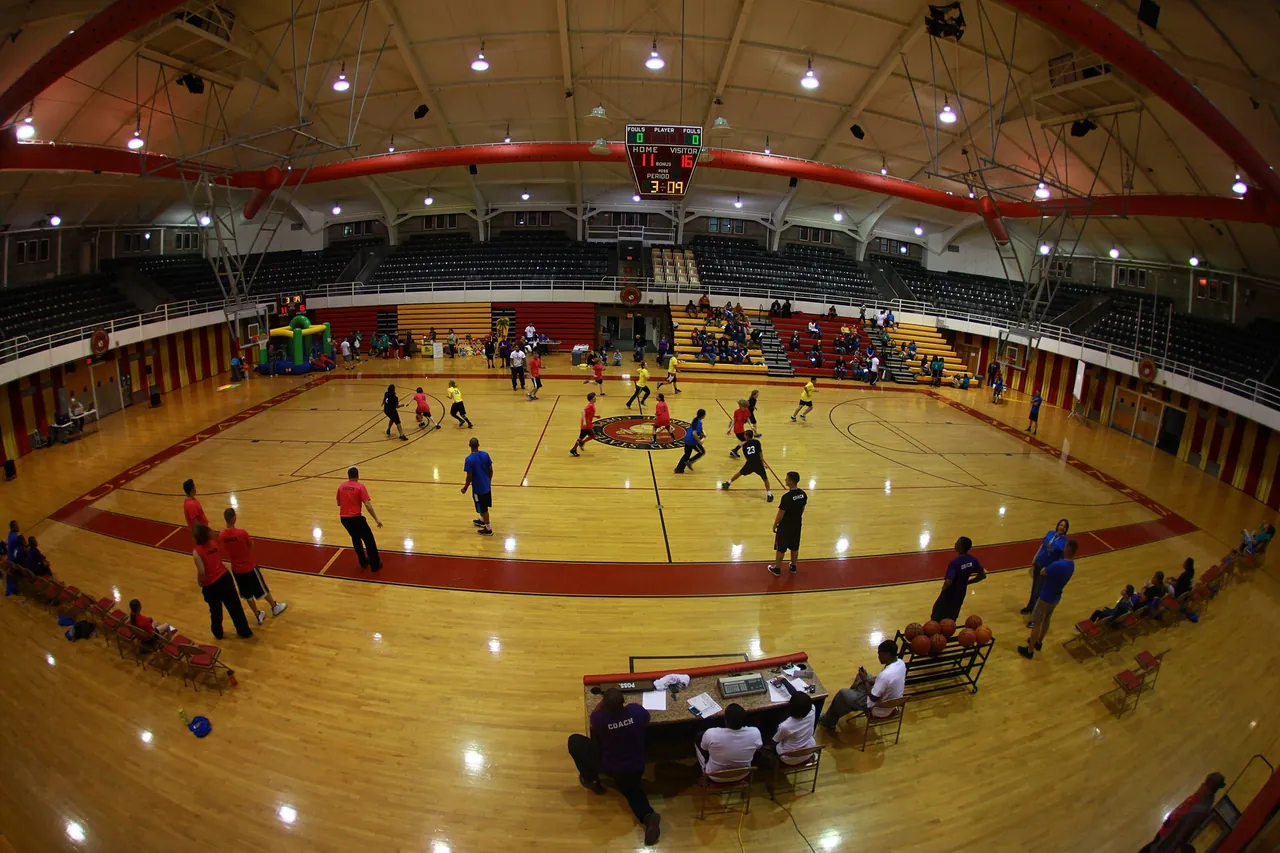
Automated editors now let any player cut a polished reel in minutes, and some players have gone further and used AI to exaggerate what they can do, Front Office Sports reported this year. The clearest example was a running back whose reel showed him crossing two 30-yard lines on the way to the end zone. Football sees it most because staffs review thousands of recruits a year and sometimes sign players on film alone. The head of a Minnesota player development firm told the outlet he had not seen it on the court yet but expects it to arrive.
This is happening as coaches lean harder on software to sort film. The research covered in the MM3 guide to AI in college and pro recruiting found that AI has become a core recruiting capability, not an optional one. More film moving through more tools makes a clean, honest reel worth more, not less.
How do coaches catch an AI-edited reel?
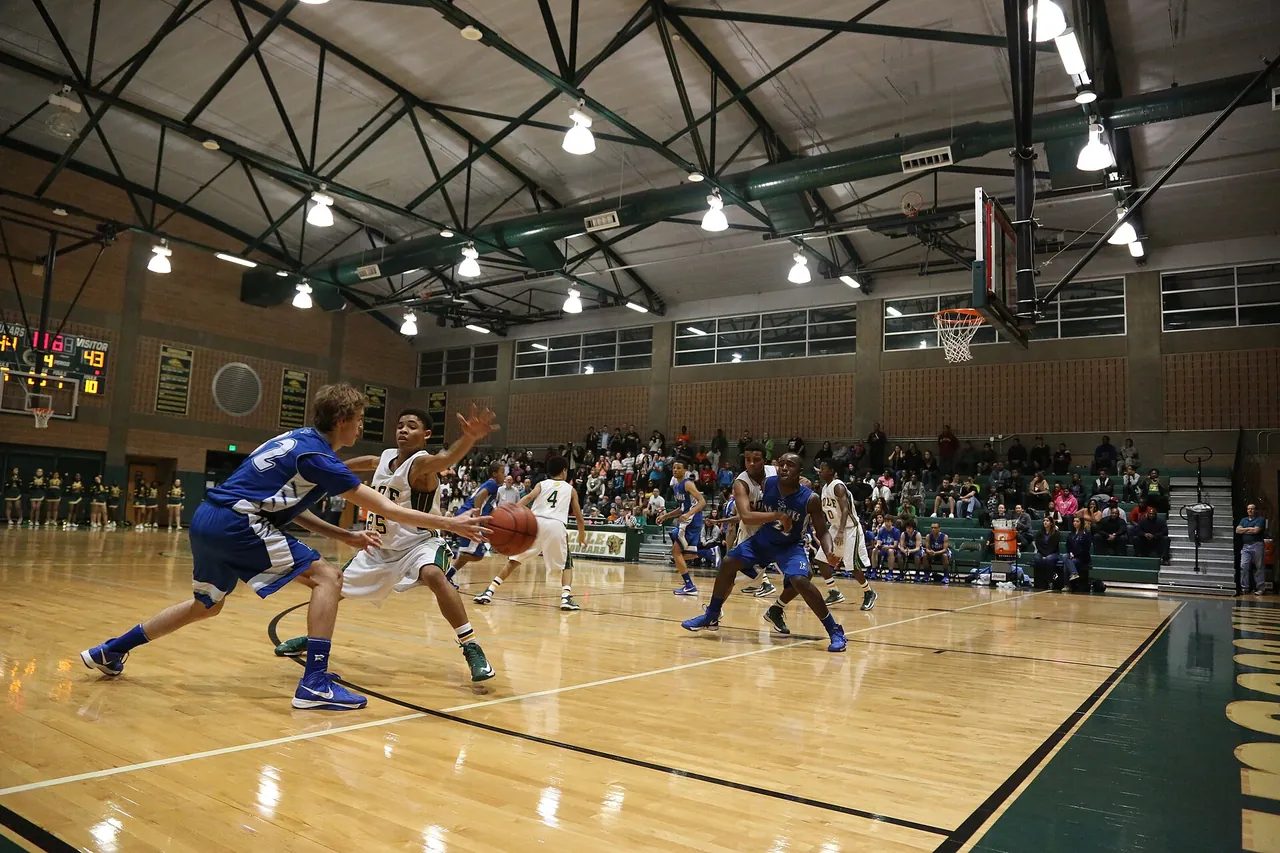
Three ways, according to the coaches and evaluators Front Office Sports interviewed:
- The movement looks wrong. Robotic motion, small glitches and physically impossible plays give the edit away, the way AI images still get hands wrong.
- Full game film does not match. Washington State's football general manager said staffs move from a reel to full games before deciding which 100 to 150 players get offers, and a recruit cannot fake hours of footage.
- The rest of the file does not match. Box scores, the high school coach, camp results and in-person evaluations all have to line up with the reel.
Speeding up film is not new. A former recruiting service scout said players were speeding up the end of VHS tapes decades ago. AI makes the trick more advanced, not harder to catch.
What does a player risk by sending a doctored reel?
Credibility, which does not come back. The assistant director of Florida Atlantic's sport management MBA told Front Office Sports that a player caught doing it will be blackballed in a small coaching fraternity, and that a projected Division I player could drop an entire division. The Washington State executive said a doctored reel discredits the athlete who sent it.
The smaller programs are the ones most likely to miss an edit at first, because lean staffs watch more film per coach. They are also the programs many of these players need. The trade is bad even if it works for a week.
Is it OK to use an AI highlight reel maker?
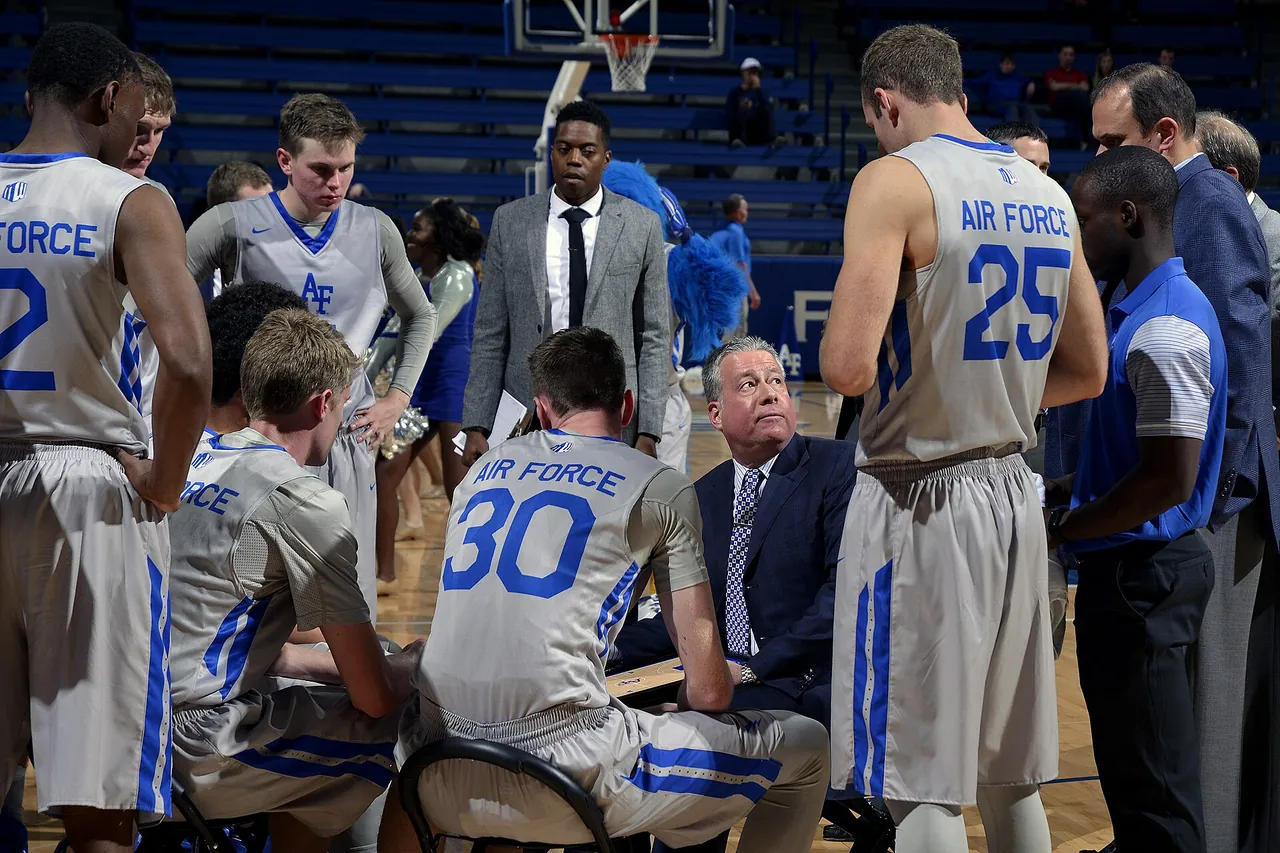
Yes, when the AI only finds and cuts real plays. An AI highlight reel maker cuts clips from film the player already has, and auto-tracking gym cameras now record a full game, upload it and build player highlights automatically from tagged plays, per Hudl. Broadcasts use the same idea: Overtime's leagues added Gemini video analysis to break down highlights on air, per Barrett Media. That kind of AI saves hours and changes nothing a coach sees.
The line is generation. A tool that creates, speeds up or reshapes movement produces exactly what coaches catch, no matter how good the rest of the reel is.
Can ChatGPT, Gemini, Claude or Perplexity help with a recruiting video?
Yes, around the reel, not inside it. A chatbot can plan which clips to show and in what order, write the intro card with height, position and class year, and draft the email that carries the link. Perplexity and Gemini are useful for checking a program's roster and style before a player decides which clips matter to that coach.
The limit is the same one coaches apply to the film. A chatbot should never supply a stat, a measurement or an honor the player did not earn, because the box score and the high school coach will be checked against it.
What should recruits send instead?
- A short, honest reel up front. Real plays, the player clearly marked, no slow-motion or speed tricks. Basic AI editing to trim and order clips is fine. Changing what happened is not.
- Two or three full, unedited games. Include at least one against strong competition. This is what coaches trust and what AI scouting tools are built to read.
- Stats and measurements that match the film. Height, position and numbers should be the same on every profile and service.
- A high school or club coach who will take the call. The reference confirms what the film shows.
The full process, including when Division I coaches may contact a player, is in the college basketball recruiting guide. Families weighing more than one school can use the offer comparison guide.
Sources
- Front Office Sports: AI-enhanced college sports recruiting reels aren’t fooling scouts (March 18, 2026)
- Hudl: The best camera for recording basketball games
- Barrett Media: Overtime partners with Google Gemini AI (August 11, 2026)
Data current as of October 7, 2026. Figures are linked where each one appears. Leagues and regulators update these rules; check the source before relying on a number.
Go deeper in the library