
Opendorse's 2026 NIL report puts the average college deal at $6,200 and men's basketball near $14,000: what the figures can and cannot tell families
The short version
Opendorse's 2026 Annual NIL Report, covered on June 25, 2026, puts the NIL market at $4.5 billion, per FootballScoop. A summary of the report gives an average deal of $6,200, with 84% of deals one-offs, per The Future of College Sports. Men's basketball averages nearly $14,000 per deal, per FootballScoop.
This post is dated October 31, 2026. It reads the public figures from Opendorse's report and two outside summaries of it, because the full report was not available to read. The rules behind small deals are in the guide to performance-based NIL contracts and the guide to landing local NIL deals, and school budgets are in the NIL budgets guide.
What did Opendorse release, and what can a reader verify?
Opendorse, a NIL platform that launched in 2012, published its 2026 Annual NIL Report, and FootballScoop reported the release in coverage dated June 25, 2026, per FootballScoop. The report's landing page says Opendorse's data covers at least one active athlete using the platform at 98% of NCAA, NAIA and NJCAA member institutions, with 200,000+ athlete users, $250M+ in NIL compensation and 100,000+ NIL activities, per Opendorse.
The page lists the report's topics, including the average 2026 deal, but it does not state the values. It offers a download button and does not say whether access requires contact details. Every deal figure below therefore comes from the two outside summaries named in each sentence.
What does the report say a typical NIL deal looks like?
A summary of the report puts the average deal at $6,200, with one-off deals making up 84% of deal volume and 96% paid in cash, per The Future of College Sports. The median completion time is four days, and the usual deliverable is a single Instagram post, per the same summary. Instagram accounts for 83.6% of NIL social activity and TikTok for 8.1%, per the summary.
The summary, dated June 28, 2026, reads the report's figures as covering Division I athletes only, with no Division II, Division III, NAIA or NJCAA data. The landing page's 98% institution figure describes platform presence, so the two should not be read as the same footprint.
What does it say about men's basketball and the Power 4 gap?
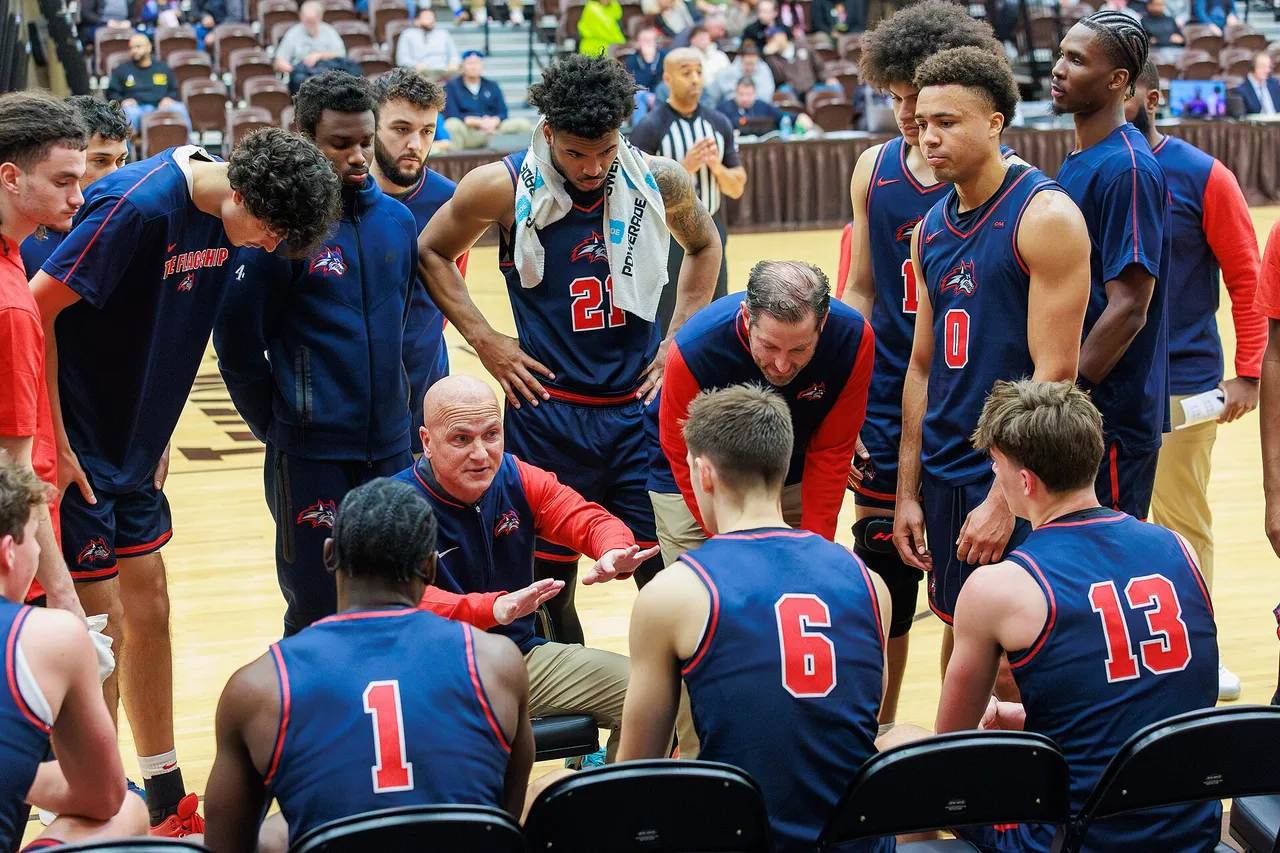
Men's basketball players average nearly $14,000 per NIL deal, the highest per-deal average, per FootballScoop. That is more than double the $6,200 all-sport average from the other summary. The two figures come from different outside readings, so treat the comparison as approximate.
The gap between tiers is wide. Nearly 37% of Power 4 athletes' total compensation falls outside the revenue-share structure, against 1.8% for the Group of 6, per FootballScoop, and the other summary gives 36.8% and 1.8%. The summary also lists average NIL pools of $36.6 million for the Power 4, $7.7 million for the Group of 6 and $205,400 for the rest of Division I, without defining the pool further.
Opendorse's landing page says Power 4 programs are building NIL budgets beyond the $21.3M revenue-sharing cap. Cap figures differ by source, and the revenue sharing guide gives the cap as the College Sports Commission states it.

How much weight should families put on these numbers?
Treat them as a vendor's market view. The summary's author notes the report promotes Opendorse products, and that the $4.5 billion market figure comes from Opendorse's own transaction flow, per The Future of College Sports. FootballScoop's headline says "more than $4 billion" while its text gives $4.5 billion, so the headline and body differ.
I built the NIL and Revenue-Share Contract Review Checklist for readers in this spot. 25 questions to answer before you sign a NIL or revenue-share contract.
An average also hides the spread. A deal average does not predict what a given player earns, and a player outside the Power 4 sits in a very different pool, per the tier figures above. No figure in these sources splits deals between local and national payers.
What does the report change for a player weighing a deal?
It does not change any rule, but it shows how small and fast most deals are, which is where contract details matter most. An average deal of $6,200 sits above both the $600 line for NIL Go reporting, which covers total value of $600 in the aggregate or more, per the College Sports Commission rules, and the $2,000 level at which payers send a Form 1099-NEC for payments received in 2026, per the IRS. Ask the compliance office before signing, and read the NIL Go guide for the reporting steps.
Sources
- FootballScoop: Opendorse tabs NIL market at more than $4 billion (June 25, 2026)
- Opendorse: 2026 Annual NIL Report
- The Future of College Sports: New Opendorse releases 2026 annual NIL report (June 28, 2026)
- College Sports Commission: Rules resulting from the House settlement
- IRS: Name, image and likeness income
Data current as of October 31, 2026. Figures are linked where each one appears. Leagues and regulators update these rules; check the source before relying on a number.
Go deeper in the library