

← Back to the blogInternational and FIBA
FIBA's World Cup 2027 qualifier window pulls pros from their clubs in late November: what the release rules say
The short version
FIBA's November 2026 qualifier windows for the 2027 World Cup run November 23 to December 1 in Europe and November 26 to 30 in the Americas. Under Book 3, a club that signs a player must release the player when a national federation summons him or her, for the entire window of a World Cup qualifier.
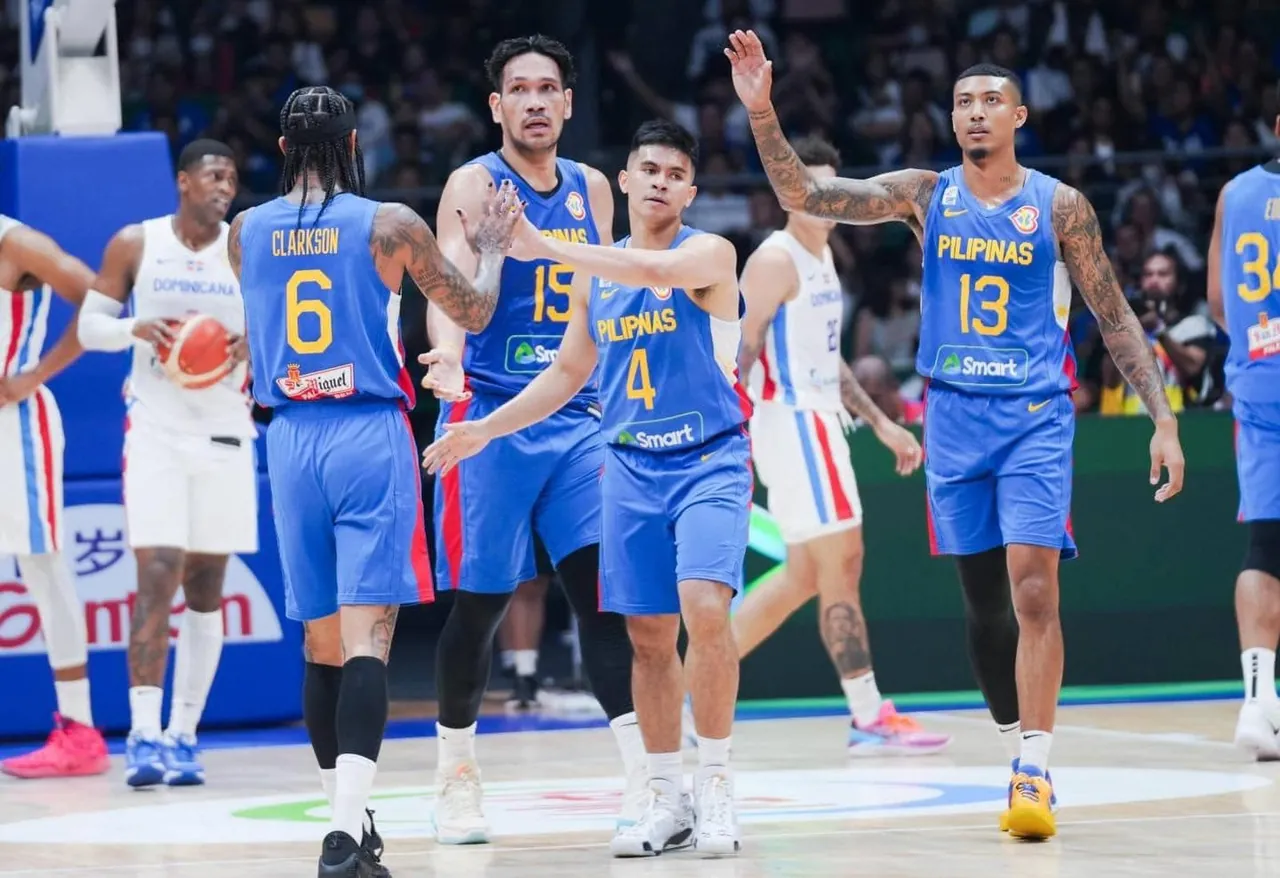
The fifth window of the European Qualifiers for the 2027 World Cup runs November 23 to December 1, 2026, per FIBA. In the Americas, Window 5 runs November 26 to 30, 2026, and the group that includes the USA, Brazil, Mexico, Chile, Colombia and the Dominican Republic plays in it, per FIBA. This post covers those two regions only. For players on club contracts abroad, the windows are the one stretch in which the contract gives way to the national team.
Do clubs have to release players for a FIBA window?
Yes, under FIBA's rules. Book 3 of the Internal Regulations says any club that signs a contract with a player must release the player when a National Member Federation summons the player for a national team competition on the FIBA Calendar, and that any agreement to the contrary violates the regulations (article 3-38), per FIBA. The player is obliged to answer yes and take part in the national team activities (article 3-39). For a World Cup qualifier, the player is available for the entire window (article 3-44).
That duty travels with the player. On an international transfer, each federation guarantees to FIBA that its clubs ensure players answer a national team summons (articles 3-39 and 3-40), which is one more reason the letter of clearance has to be in before the player is registered. For an American on a club contract abroad, a summons from USA Basketball triggers the same duty.
How does a federation call a player?
- Notice. The federation must send the request to the player's federation or club at least 30 days before the first day of the window, by registered mail, email, courier, hand delivery or the FIBA Information System (article 3-43).
- Timing. The player must arrive no later than 48 hours before the first game and be released to return to the club within 24 hours of the last game of the release period (article 3-45).
- Cost. The requesting federation pays the player's travel (article 3-48).
- Schedule. Federations must ensure no first division games are played during the window (article 3-42).
What happens if a player or club does not comply?
A player who is called and does not fully take part, other than on the federation's own decision, may not play for a club during the release period, including for injury or illness (article 3-46). A player who refuses without showing a manifest injury or illness sits out an extra 10 days after the release period (article 3-50). Where a player plays a club game during the release period, the federation may ask FIBA to impose sanctions on the player (article 3-51).
What about NBA players?
The release articles do not mention the NBA, and this post could not find the NBA's own rule text on windows, so it does not state one. Reporting from 2017 said the NBA does not release players for qualifying windows that fall in its season, and that USA Basketball would lean on G League players and Americans playing overseas, per CBS Sports. That is old reporting on a different qualifying cycle, and it names no rule. Players on NBA contracts should ask their team and agent, not assume.
What does this mean for Americans abroad and their agents?
Read the contract's national team clause before signing. A clause that tries to limit release conflicts with article 3-38, and the overseas contracts guide covers what else belongs in the deal. Agents who place players abroad, a job licensed under the FIBA agent rules, should also keep the window dates in the club calendar. Late November is a busy stretch, and a player summoned by a federation will be absent from the club for the whole window.
The federation that issues these summons is explained in what FIBA stands for.
Sources
- FIBA: How to qualify for the World Cup, European Qualifiers 2027
- FIBA: Venues confirmed for Americas Qualifiers Window 5
- FIBA Internal Regulations, Book 3: Players and Officials (in force April 22, 2026)
- CBS Sports: Why USA Basketball will use non-NBA players for FIBA World Cup qualifying (2017)
Data current as of October 22, 2026. Figures are linked where each one appears. Leagues and regulators update these rules; check the source before relying on a number.
Go deeper in the library