

← Back to the blogInternational and FIBA
EuroLeague sets a 10 million euro base spending level for 2026-27: what it means for pay and for American players
The short version
The EuroLeague has no salary cap. For 2026-27, its second transitional season under the Competitive Balance Standards, it sets club spending levels: a floor of €6,689,577 for licensed clubs and a base level of €10,000,000, above which a club pays into a pool shared by compliant clubs. These are club budgets, not player salaries.
The numbers are about how much a club spends on its roster in total, not what a player earns. They matter to Americans signing overseas because they set the budget a club works inside when it makes an offer. The overseas contracts guide covers the contract itself.
Is there a EuroLeague salary cap in 2026-27, and what are the competitive balance standards?
There is no cap. The EuroLeague Competitive Balance Standards set spending levels for each club, with no hard ceiling on any payroll. The 2026-27 season is the second transitional season, and the standards are enforced in full from 2027-28, per Eurohoops, which published the EuroLeague's 2026-27 figures.
The spending counted includes base salary, image rights, third-party payments, agent fees paid by the club, transfer fees and individual bonuses. Collective team bonuses are left out, per the Eurohoops explainer.
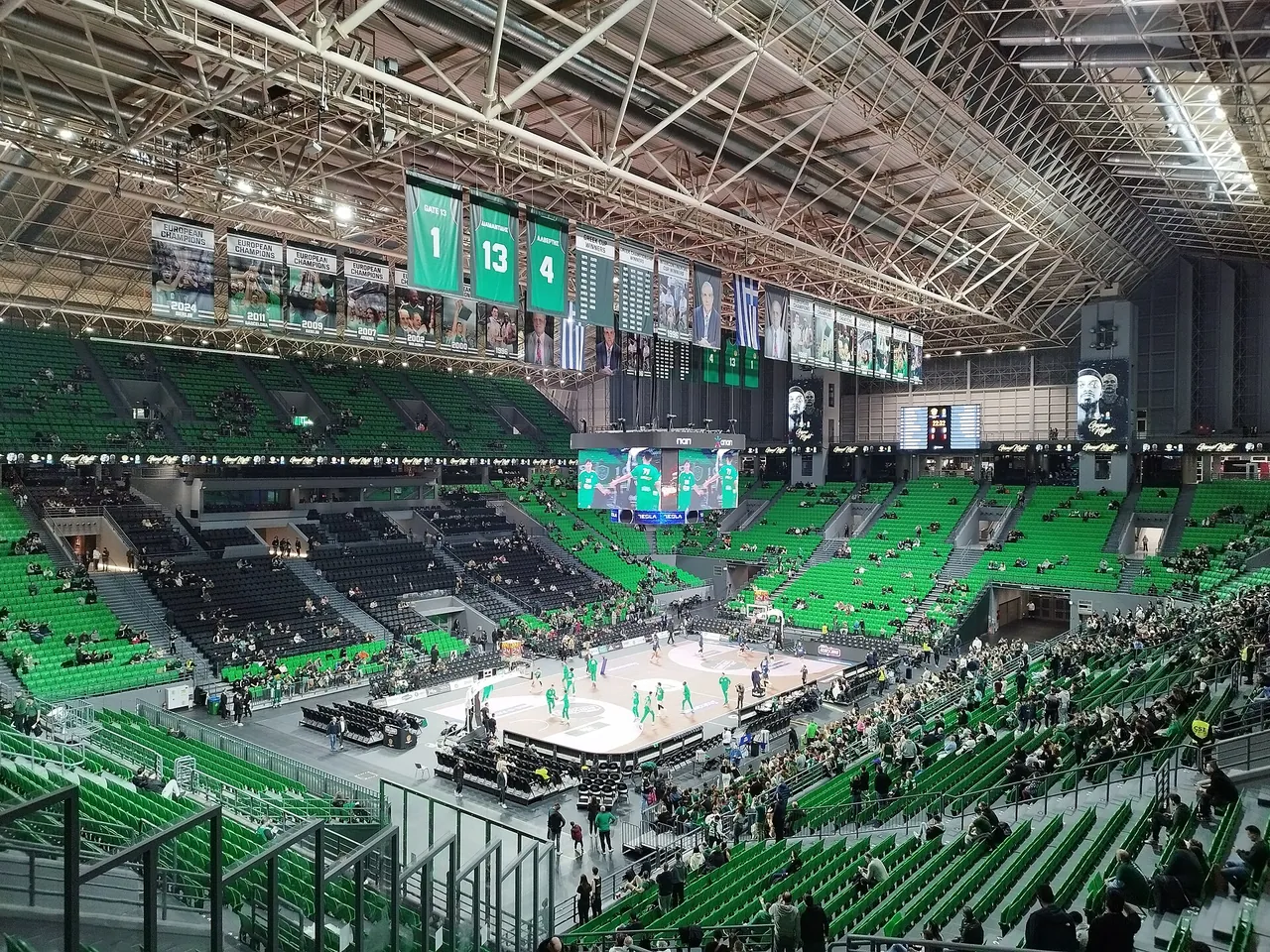
What do the EuroLeague low and base remuneration levels mean?
The low remuneration level is the least a club must spend on its players. The base remuneration level is the spending point above which a club pays into a fund that is shared equally among compliant clubs at the end of the season, per Eurohoops. The low levels are shares of the league's average licensed-club revenue, which is €22,298,591 for 2026-27, up 14%. The base level is also 40% of that revenue, unless the €10,000,000 minimum is higher.
| Level | Share of average revenue | 2026-27 amount |
|---|---|---|
| Low, licensed clubs | 30% | €6,689,577 |
| Low, wildcard clubs | 24% | €5,351,662 |
| Low, EuroCup clubs | 21% | €4,682,704 |
| Base | 40%, floor applies | €10,000,000 |
The base level would be €8,919,437 at 40%, but it is set at the €10,000,000 minimum threshold instead, per Eurohoops. Spending on anchor players, players under 23, extended-tenure players and some other categories is excluded from the base level calculation.
What changed in the EuroLeague standards since February?
The league dropped its planned High Remuneration Level. The General Assembly met in Barcelona on July 7, 2026 and removed it from the financial regulations, per Eurohoops. That level had been planned for 2027-28 at 60% of average revenue with a €12 million minimum, per the Eurohoops explainer. The same meeting approved a new SuperCup, which Real Madrid won by beating Olympiacos 93-89 in Abu Dhabi on September 19, per Gulf News.
The reports reviewed for this post do not say whether the €10,000,000 base minimum carries into 2027-28. The enforcement record so far comes from 2025-26. Four clubs were assessed a total of €5,438,684 in competitive balance compensation, to be split among 15 compliant clubs, and ASVEL fell below the low level and owed its players €1,280,924, per Eurohoops.
How do the standards affect roster building and American players' pay?
They change the budget, not the contract. No source reviewed for this post states an average EuroLeague player salary, and the levels do not set one. American players' pay in the EuroLeague still comes from each club's offer, and the standards decide how much of a club's total spending is free and how much triggers a payment.
The ASVEL case shows the floor works in a player's favor: the club owed its players the shortfall below the low level, per Eurohoops. The structure of an offer matters too, because image rights, third-party payments, club-paid agent fees and individual bonuses all count toward the club's total.
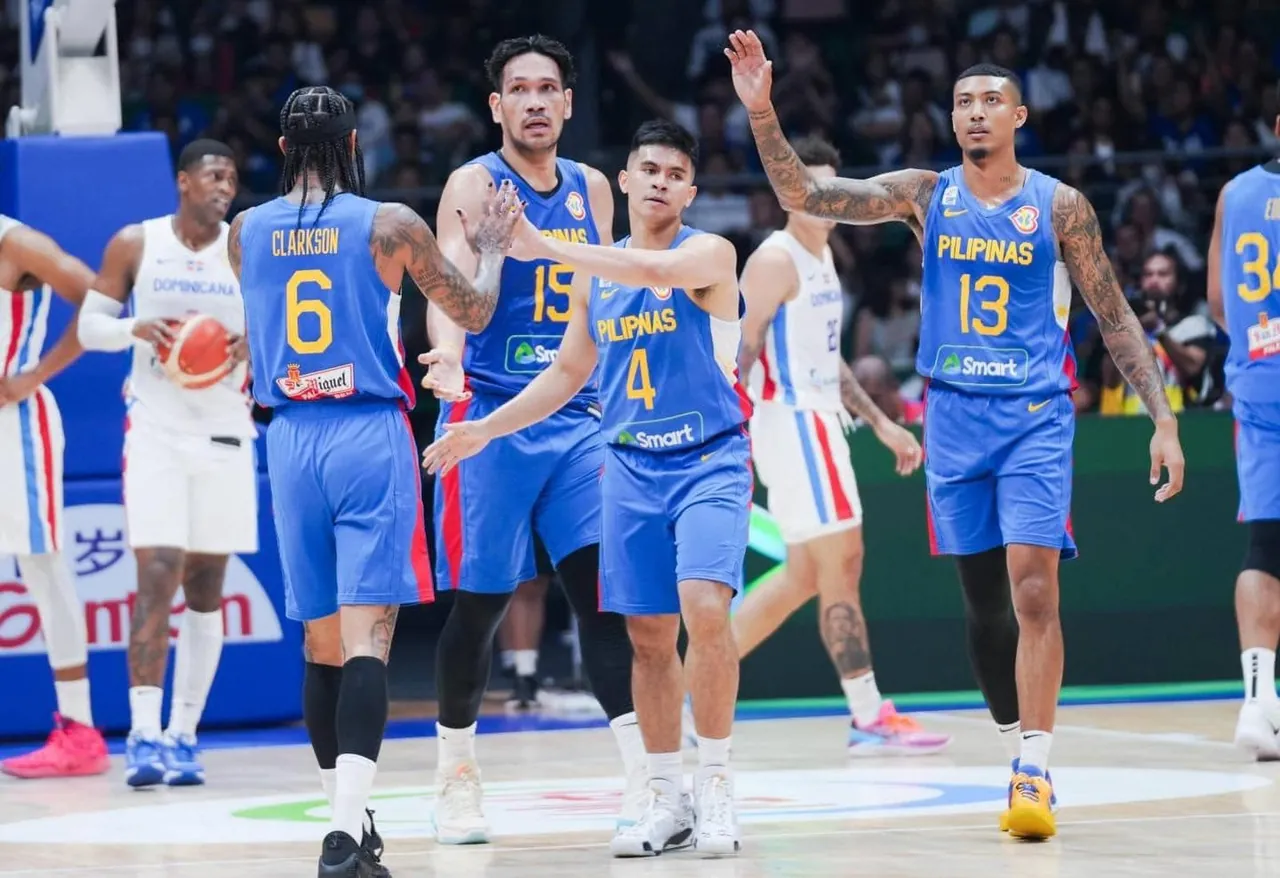
What should players and agents ask a club in a contract talk?
- How is the offer split? Base salary, image rights and bonuses all count toward the club's spending total, so the split affects the club's position.
- Does the club have unpaid awards? FIBA publishes a sanctions list, covered in the FIBA transfer ban guide.
- Is the clearance process clear? The letter of clearance guide explains the release a player needs to move between federations.
Agents who place players overseas work through these questions with every club, as described in how new FIBA agents find clients and clubs. The federation behind the contract rules is explained in what FIBA stands for.
What should players and agents watch next?
Full enforcement starts in 2027-28, per Eurohoops. Payments for 2025-26 were announced in April 2026, per Eurohoops, and the 2026-27 results are the next test before full enforcement. Any change to the 2027-28 base level would come from the General Assembly, which has already shown it will drop a planned rule.
Sources
- Eurohoops: EuroLeague presents remuneration levels for the 2026-27 season
- Eurohoops: Understanding the EuroLeague Competitive Balance Standards
- Eurohoops: EuroLeague removes planned salary rule and approves new SuperCup
- Gulf News: Real Madrid win the EuroLeague SuperCup in Abu Dhabi
- Eurohoops: EuroLeague announces fines to four teams after breaching financial fair play
Data current as of October 19, 2026. Figures are linked where each one appears. Leagues and regulators update these rules; check the source before relying on a number.
Go deeper in the library